 Watch the premiereDec 8 · 9:00 a.m. ET · Free
A 16-minute short film
“A beautiful short film with a lot of heart. Clearly the work of a real filmmaker with a unique voice.”
Kathleen Kennedy
Eight-time Oscar-nominated producer of E.T. and Jurassic Park
Premieres Tuesday, December 8, 9:00 a.m. ET · Free on YouTube
AI finally found its heart. It belongs to a donkey.
The director of The Watch, one of the most-watched AI videos of all time, returns with the emotional journey of a boy and his old donkey: two outsiders in postwar Italy who refuse to stop believing in a dream everyone else calls ridiculous.
LOS ANGELES, Dec. 8, 2026 — Over the past year, AI video has learned to make almost anything look real, but it has rarely made anyone feel something real. A Donkey Who Wanted to Be a Unicorn, the new short film by J. Felipe Orozco, sets out to close that gap, and it does it the old-fashioned way: with characters you come to love and a story that earns its tears.
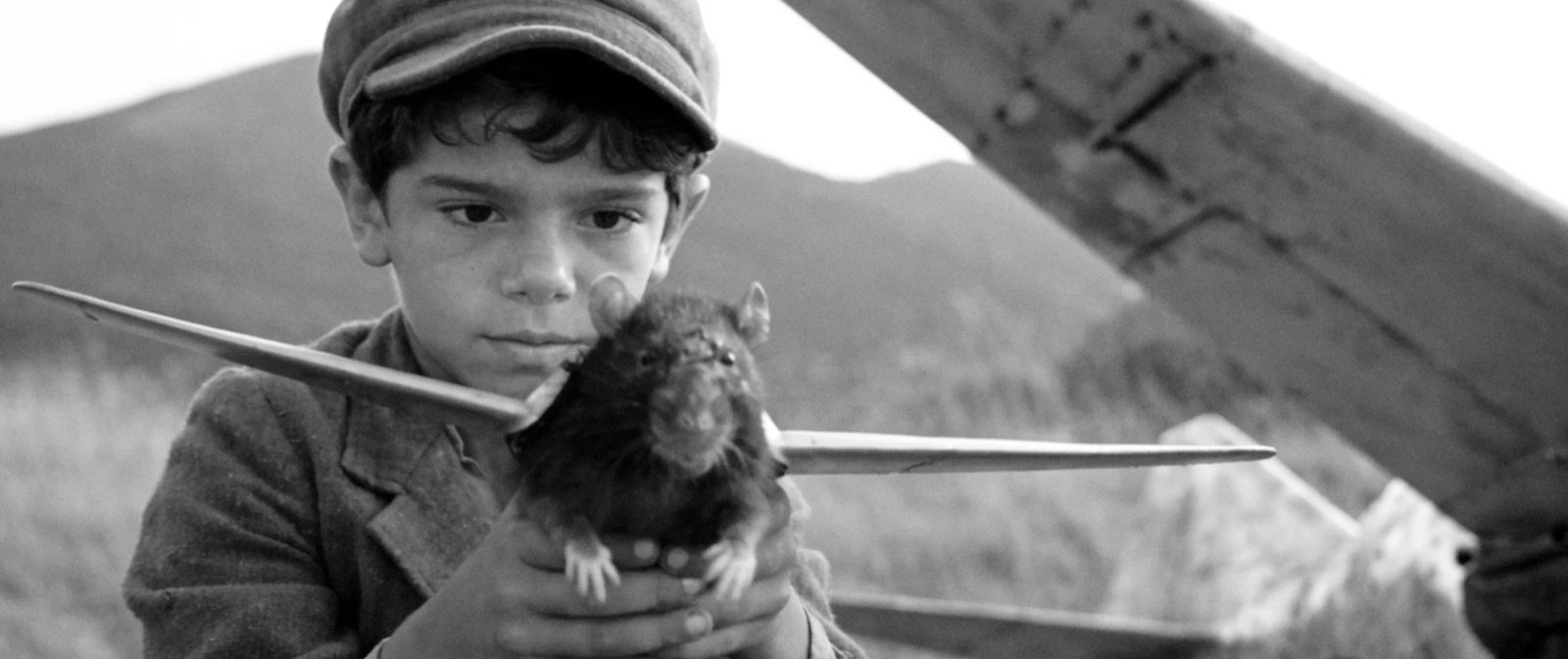
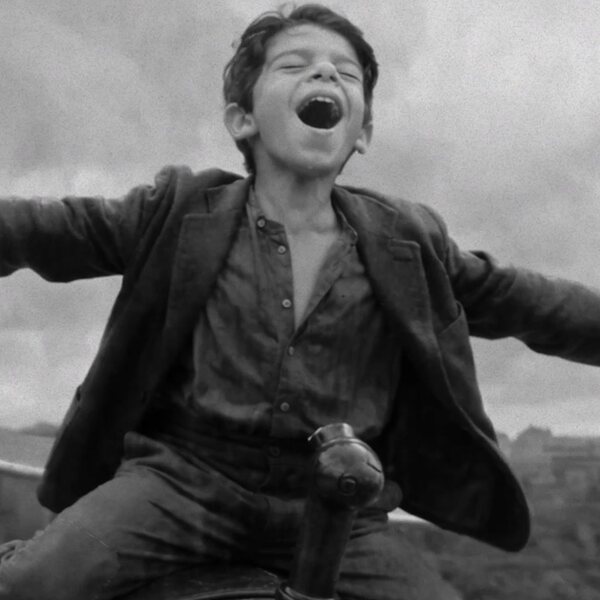
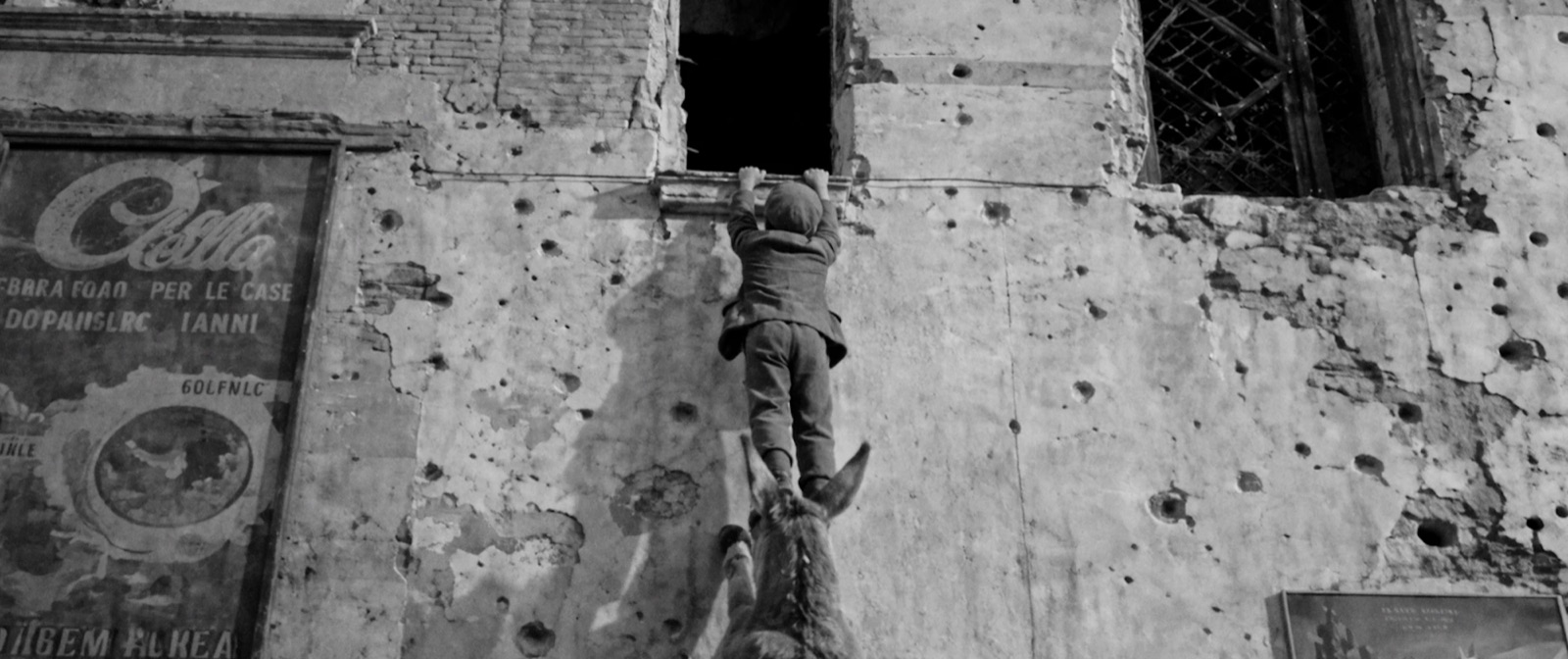
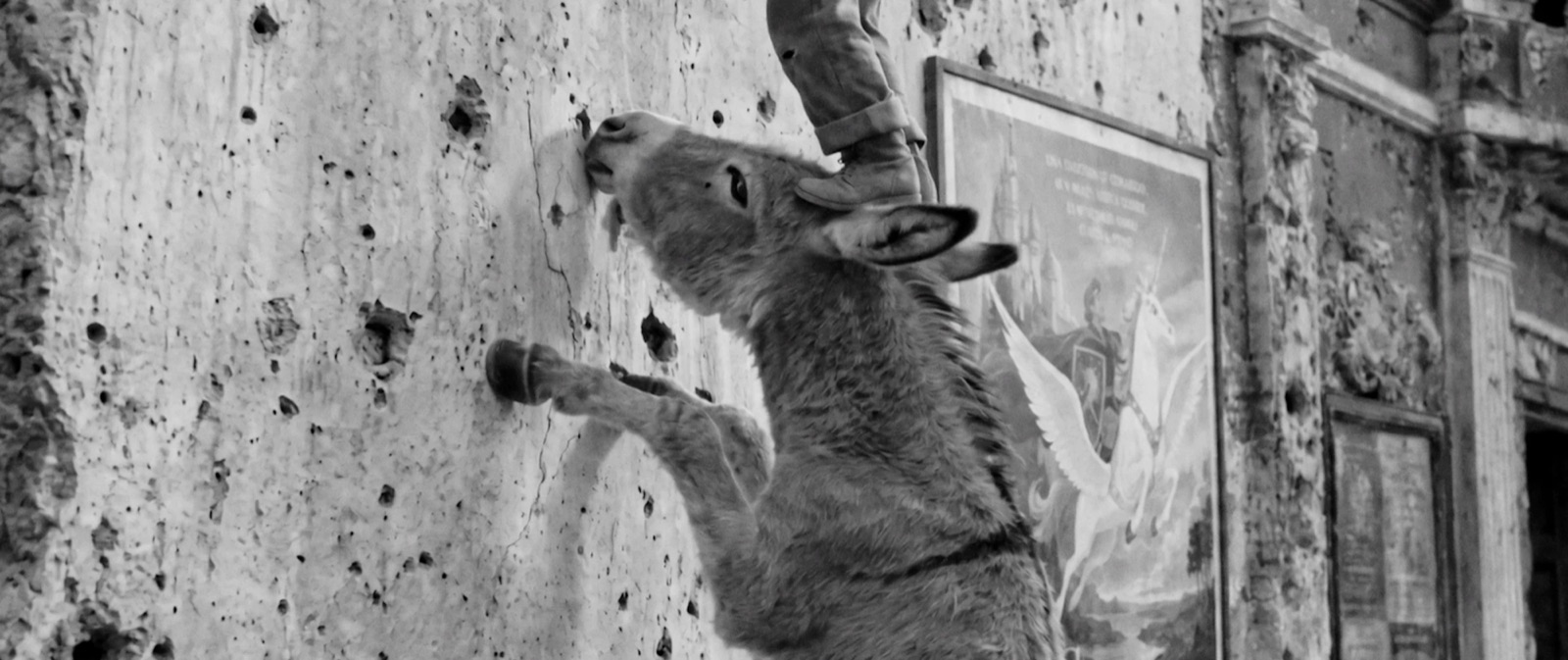
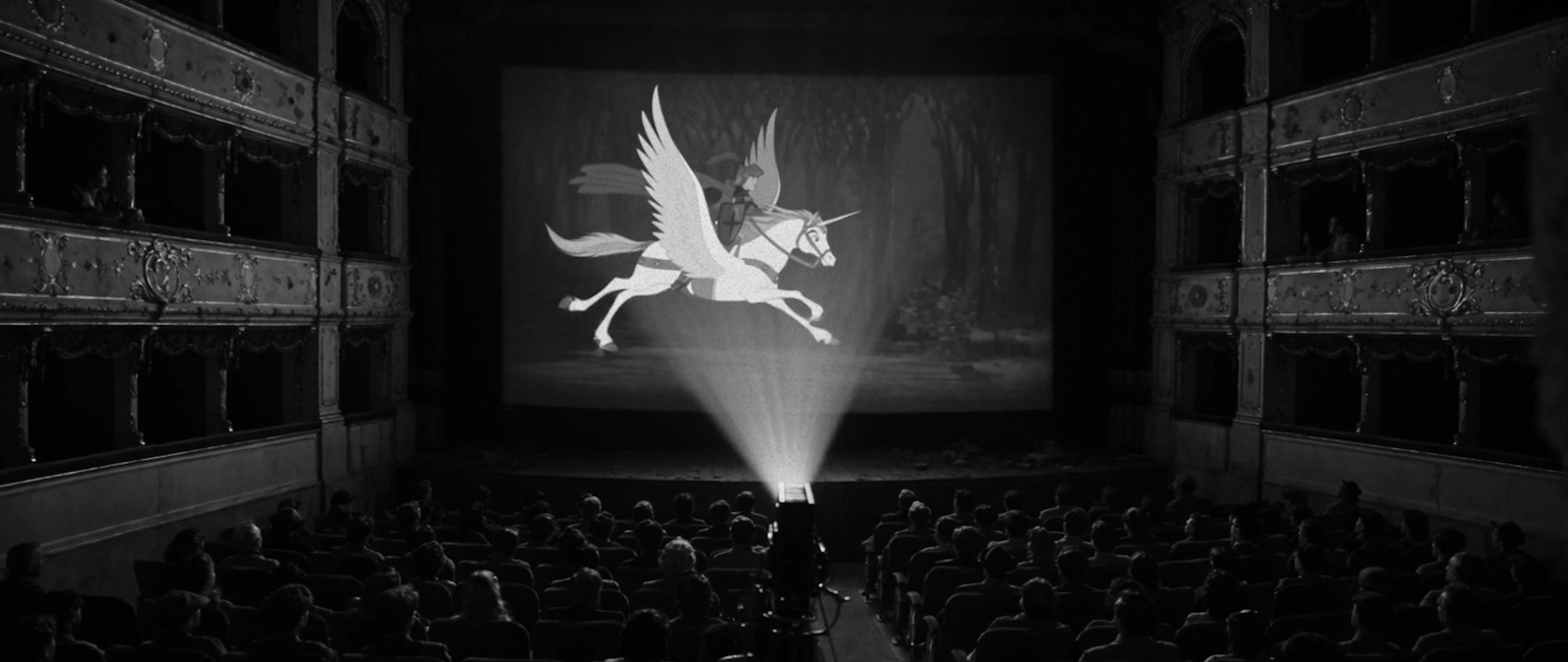
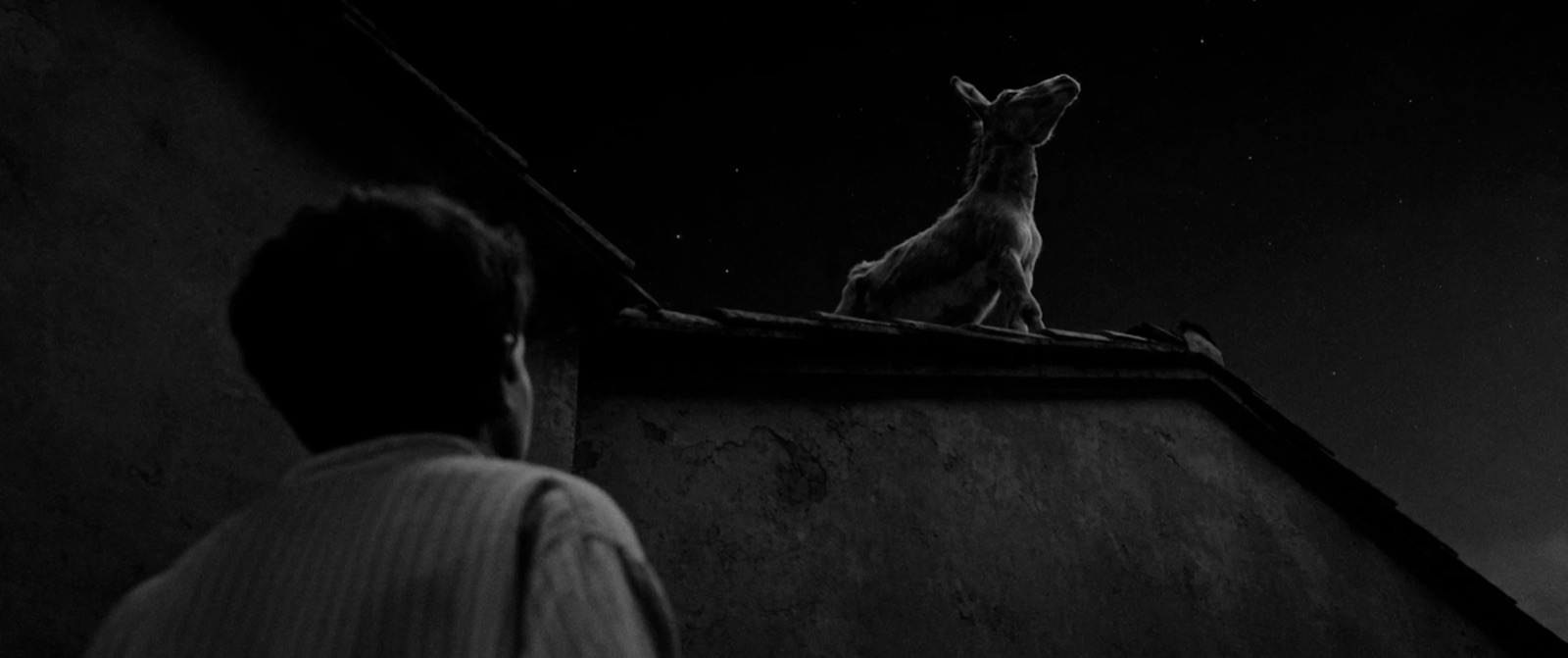
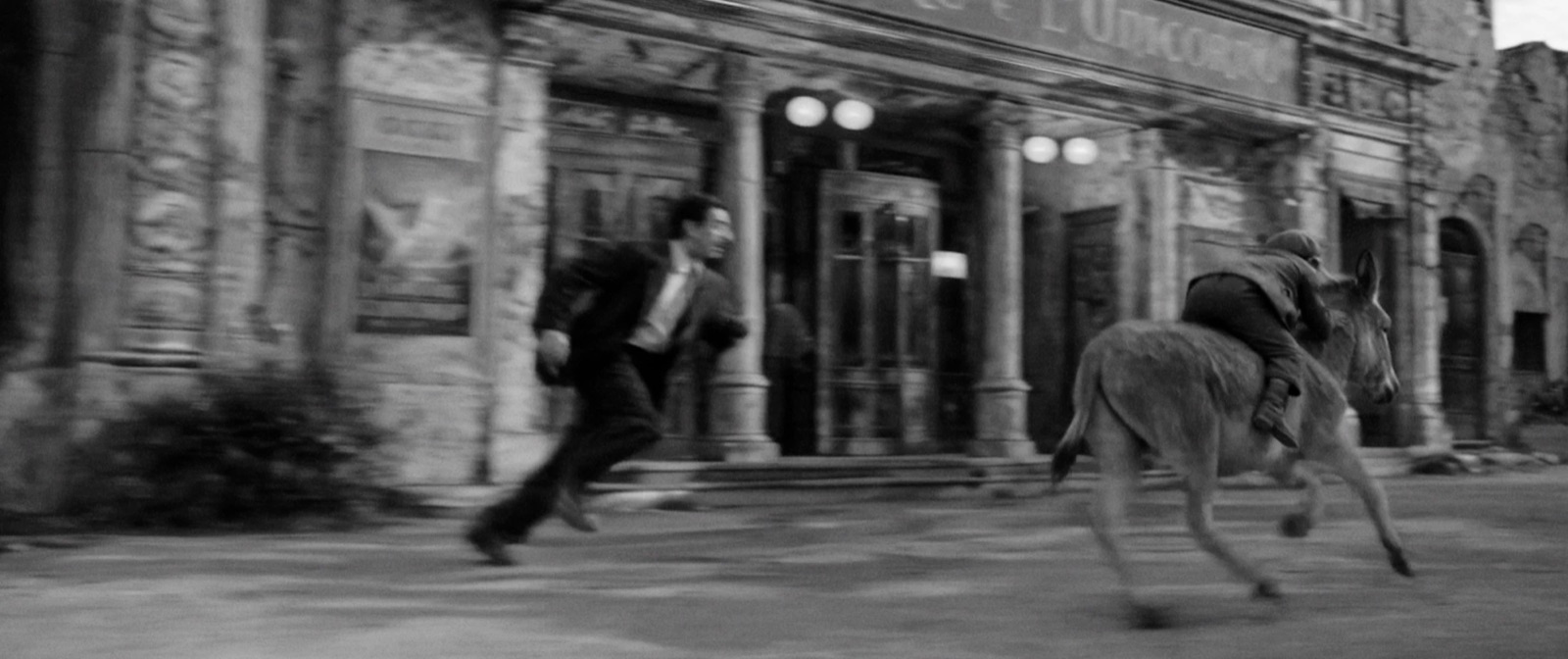
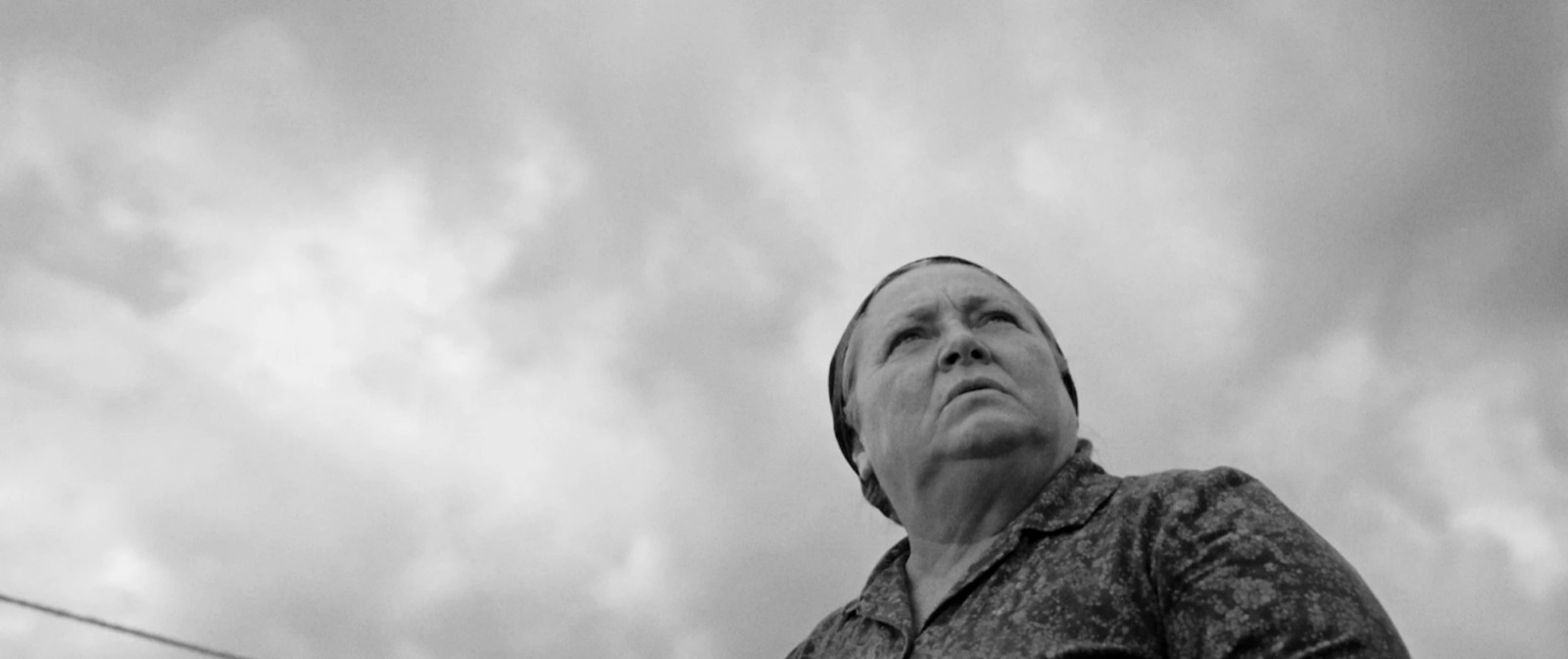
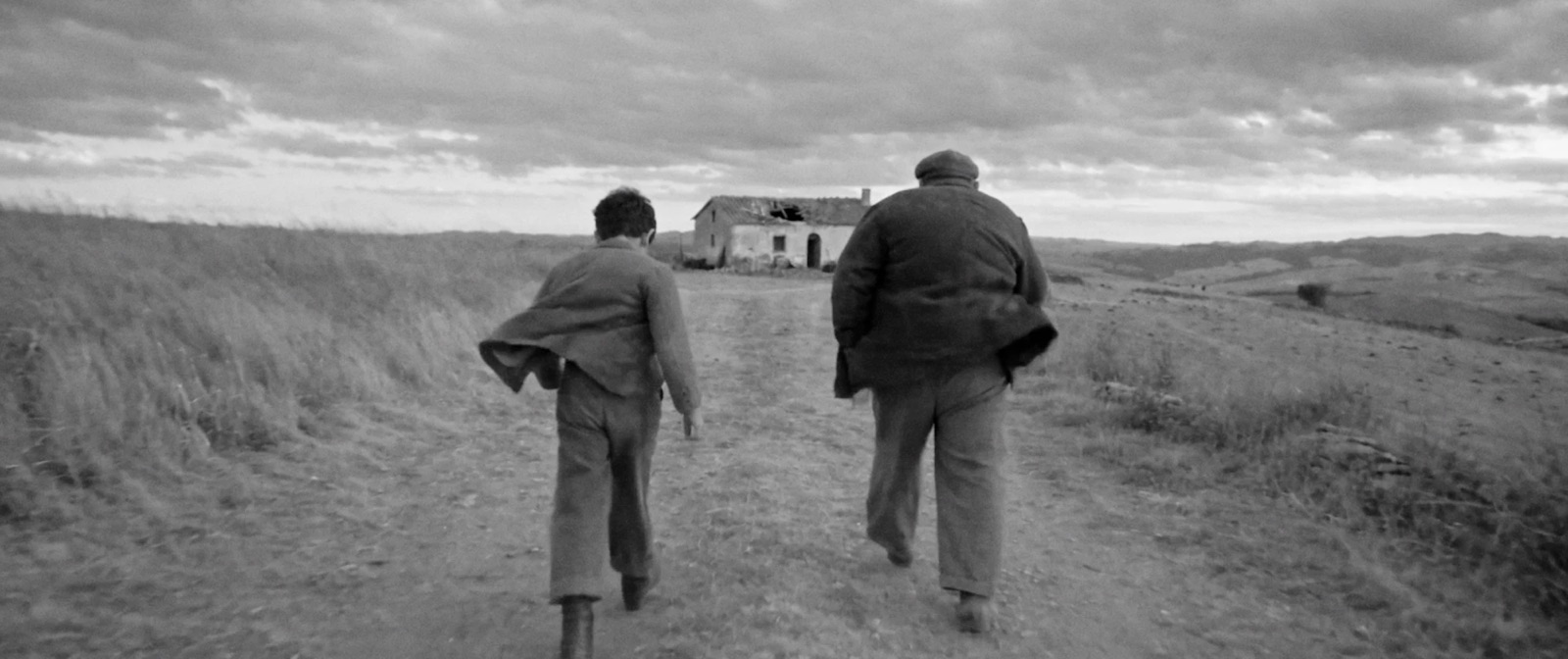
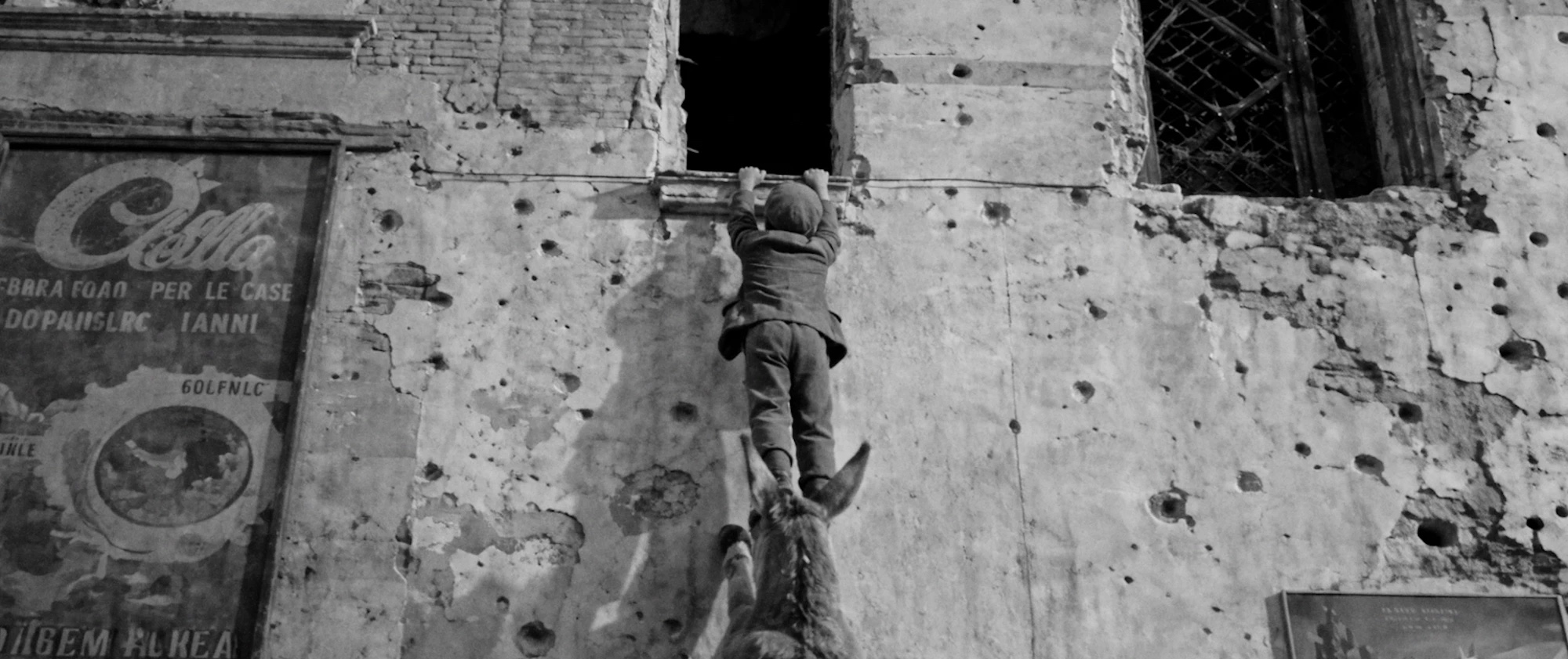
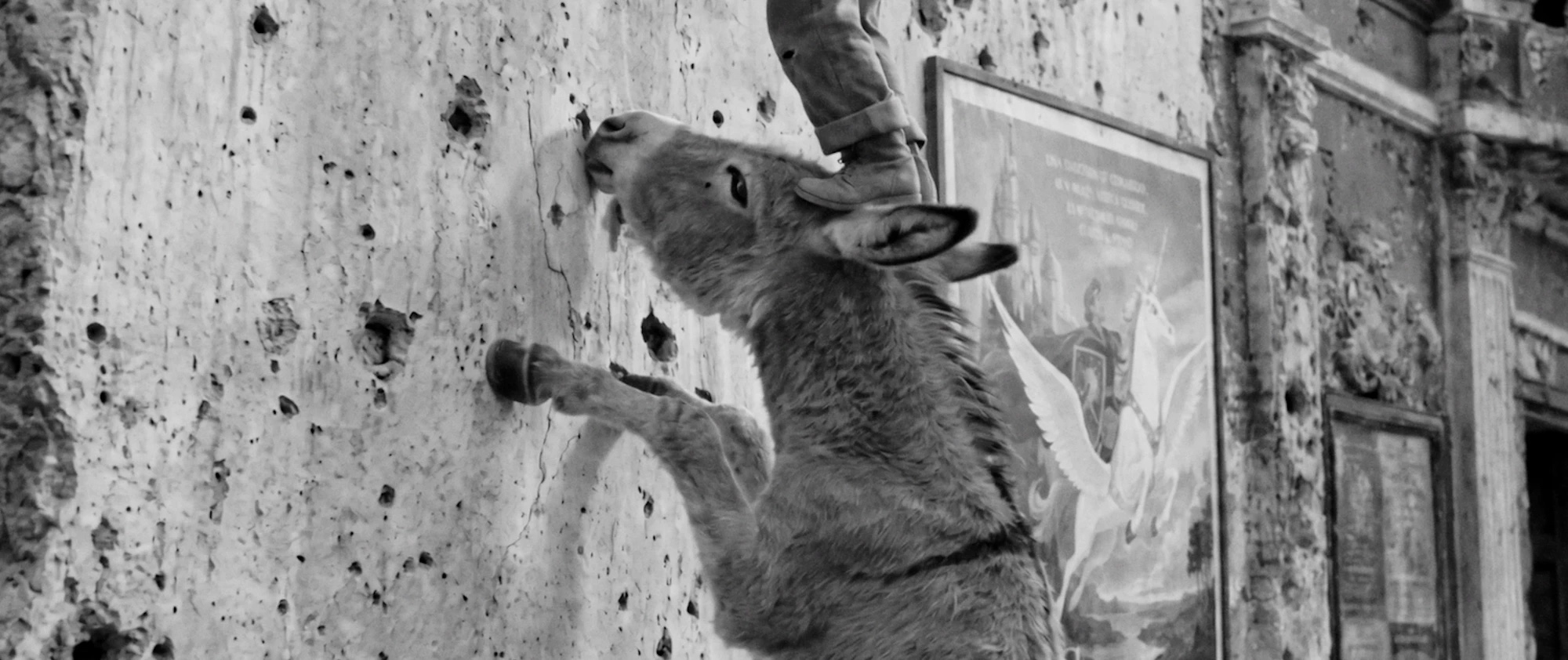
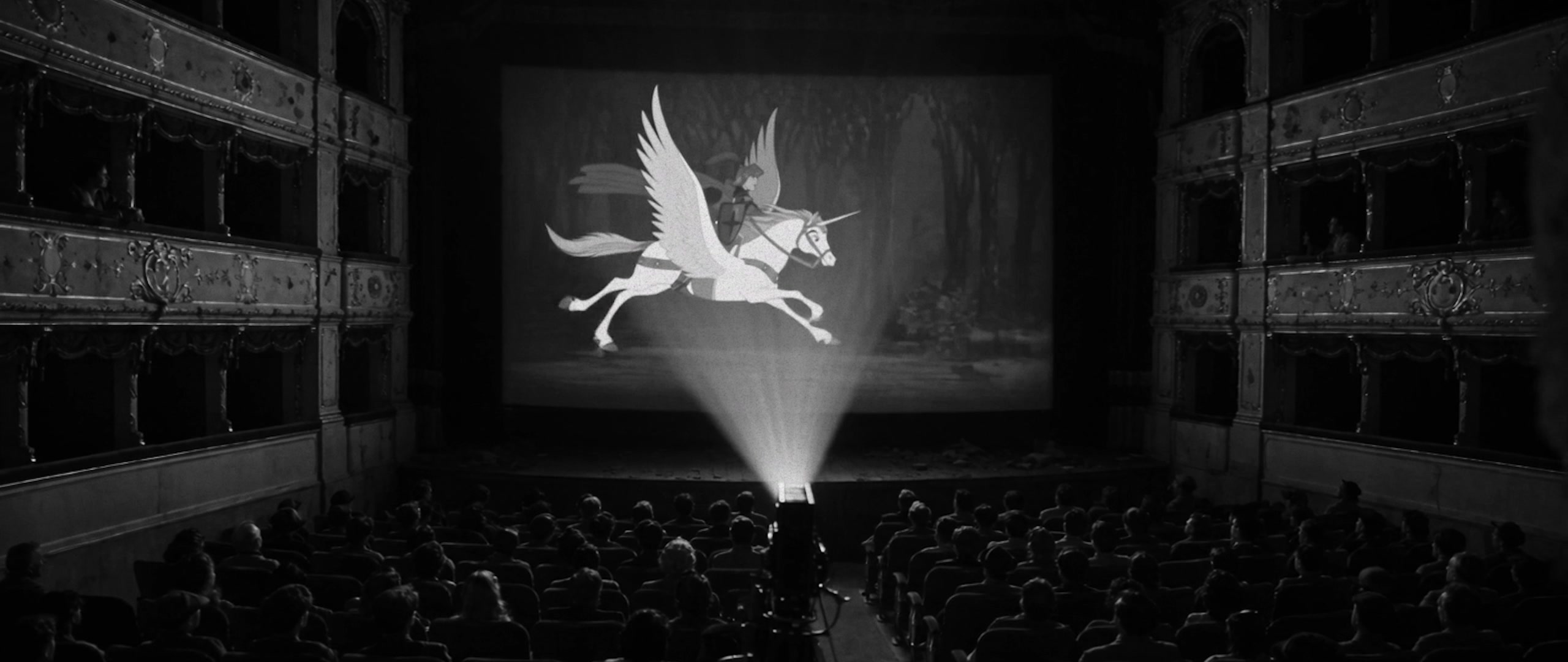
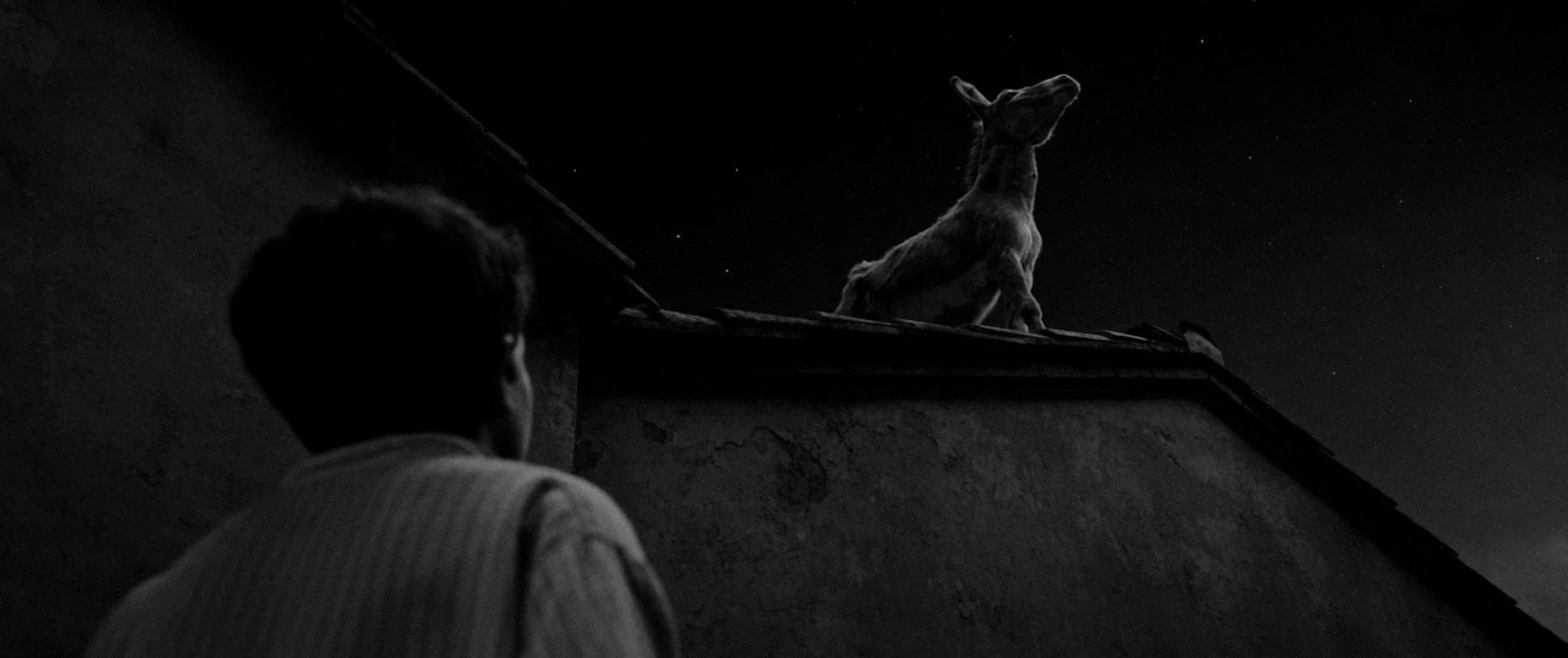
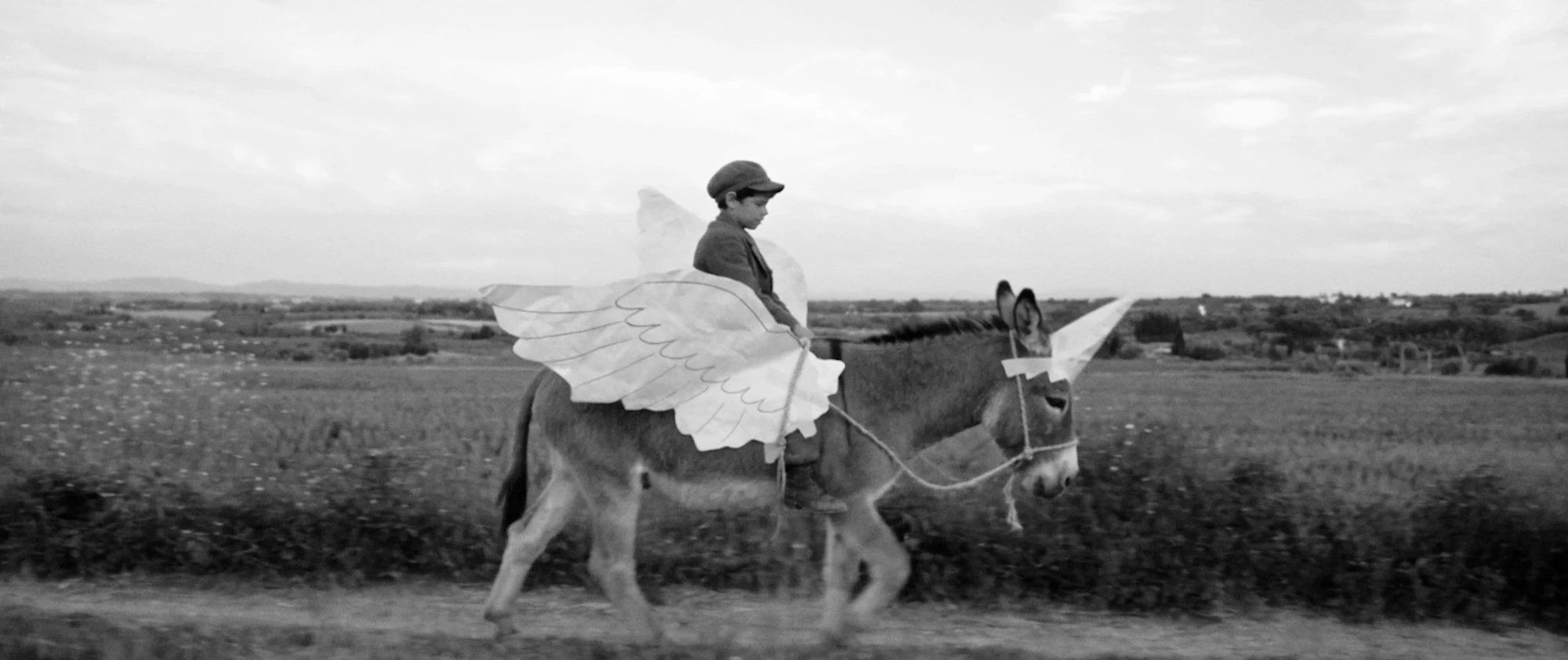
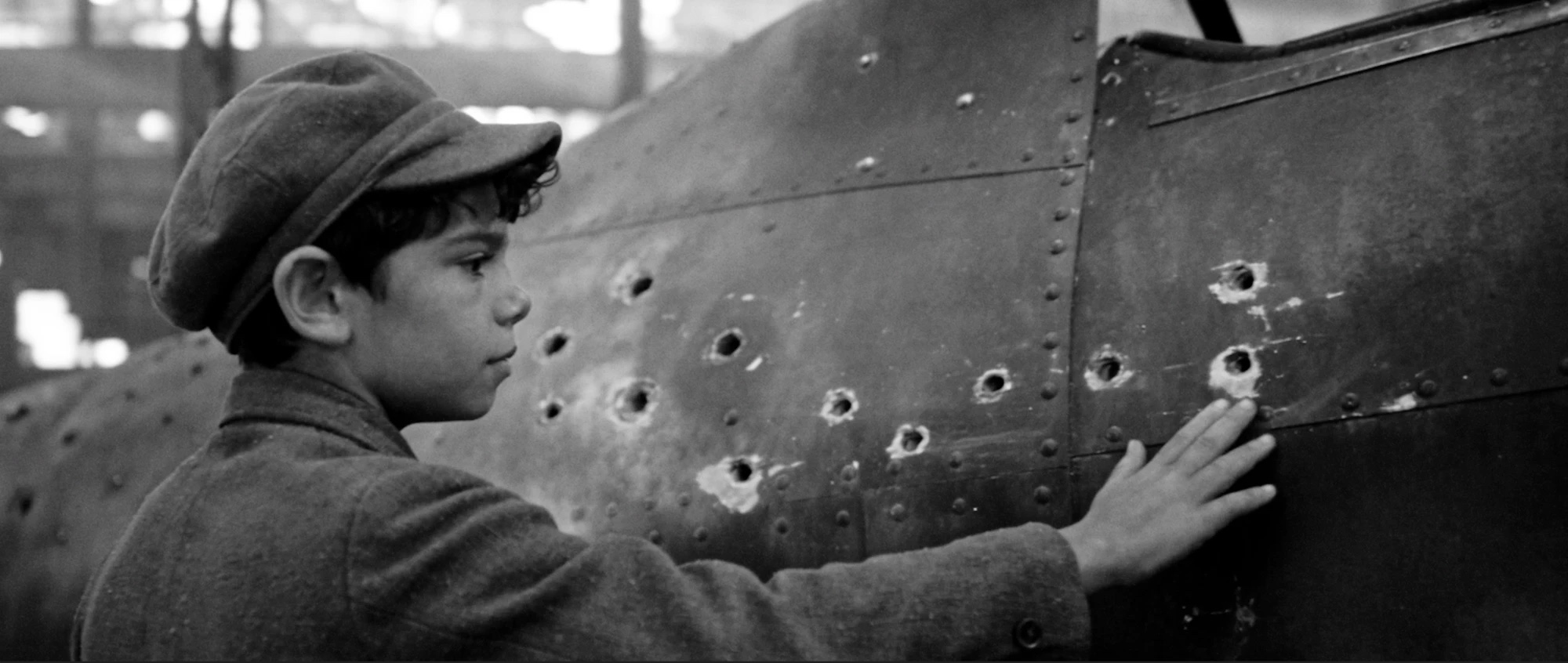
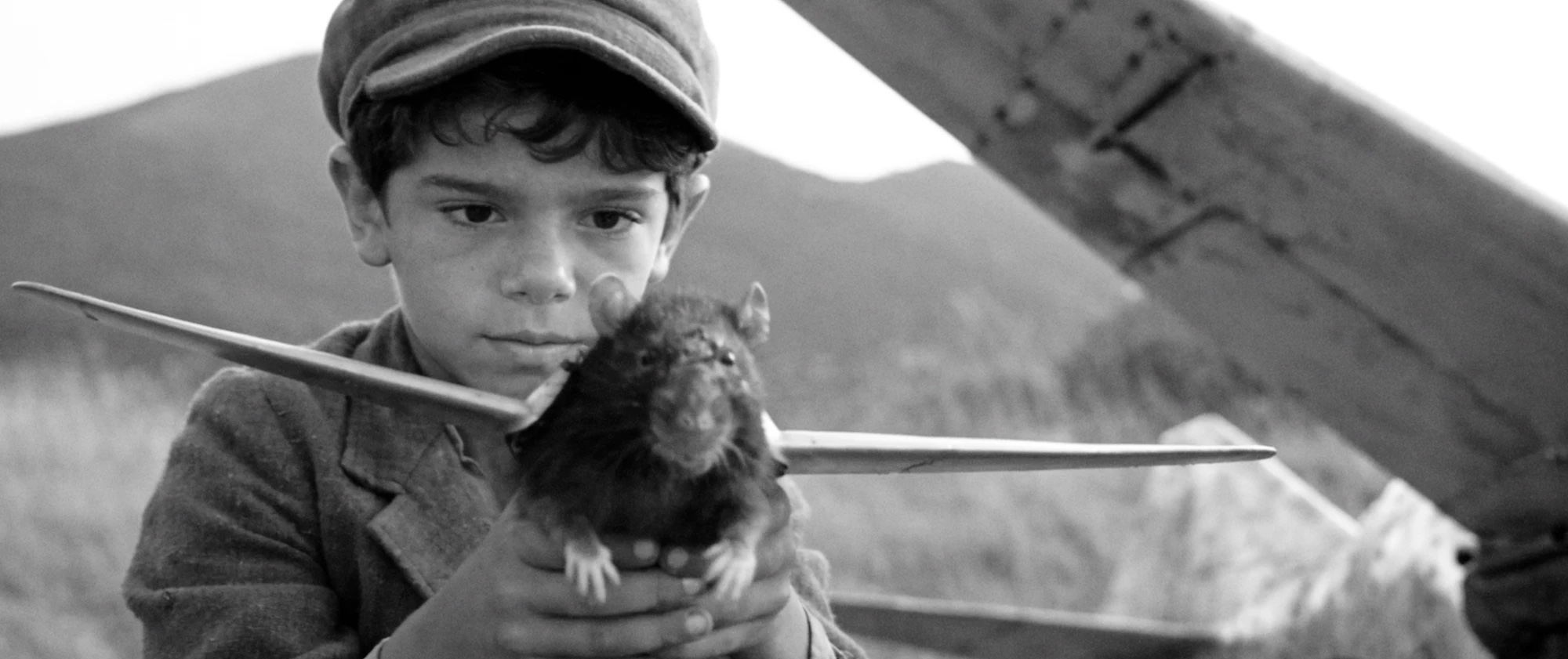
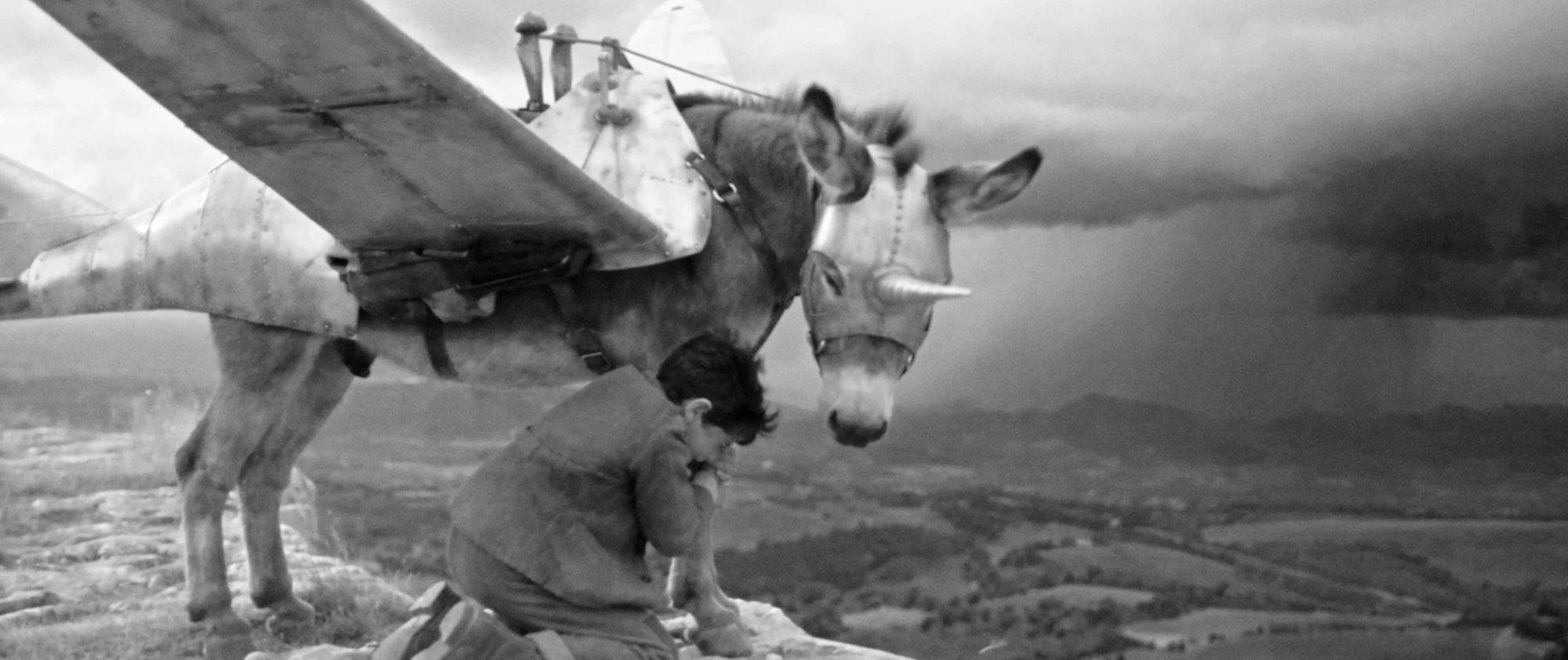
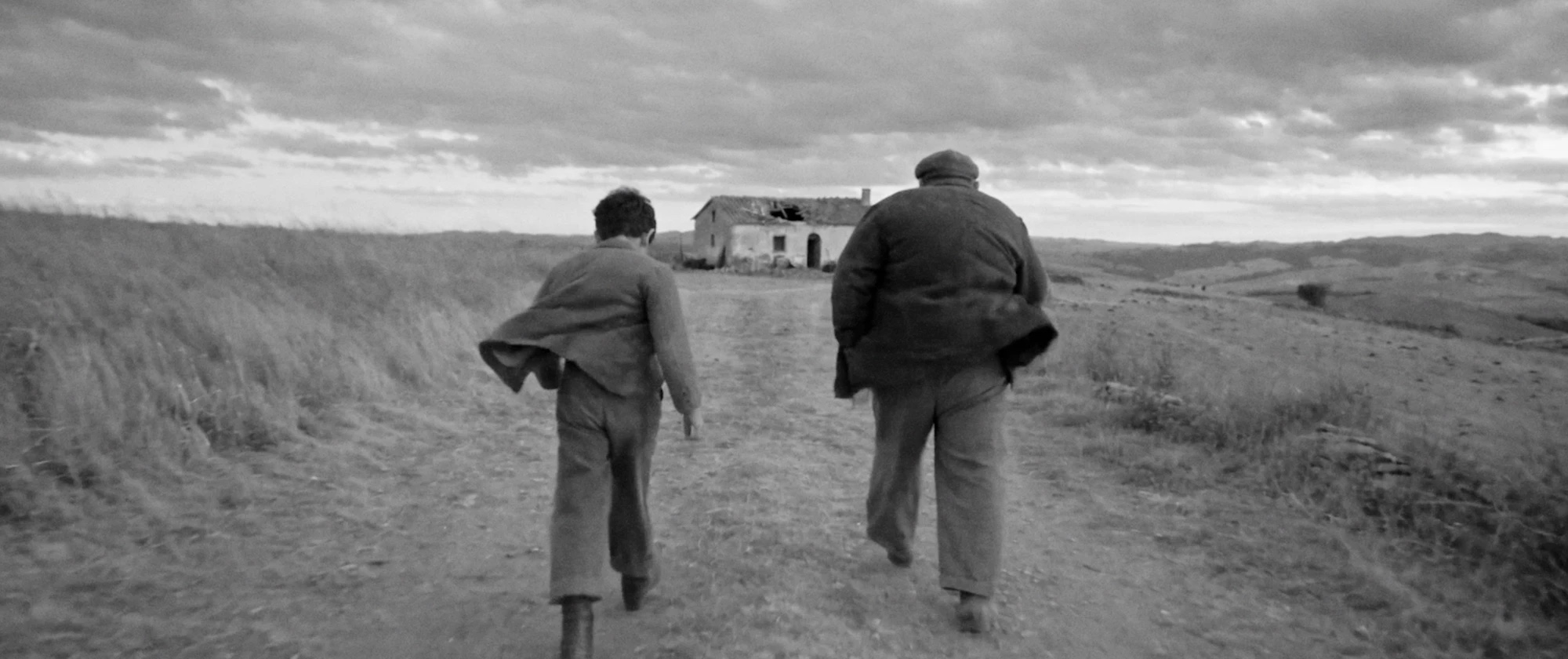
It is 1948 in rural Italy, three years after the war. Eleven-year-old Giulio lives with his grandparents on a small farm. His father died a hero in the war, and Giulio knows him only through photographs and the stories the grown-ups tell. His closest friend is Bruno, an old gray donkey the whole village considers useless. Together they spend their afternoons at the ruins of the village cinema, watching fantastical films through the holes that past battles left in its walls. Then one day Bruno sees a white unicorn spread its wings and fly, and decides that he will fly too.
Everyone laughs at him, except Giulio. What begins as a child’s game slowly becomes a story about believing in someone when nobody else does, about growing up in the shadow of a father you never really knew, and about the moment a dream stops being about yourself and becomes something you do for the people you love.
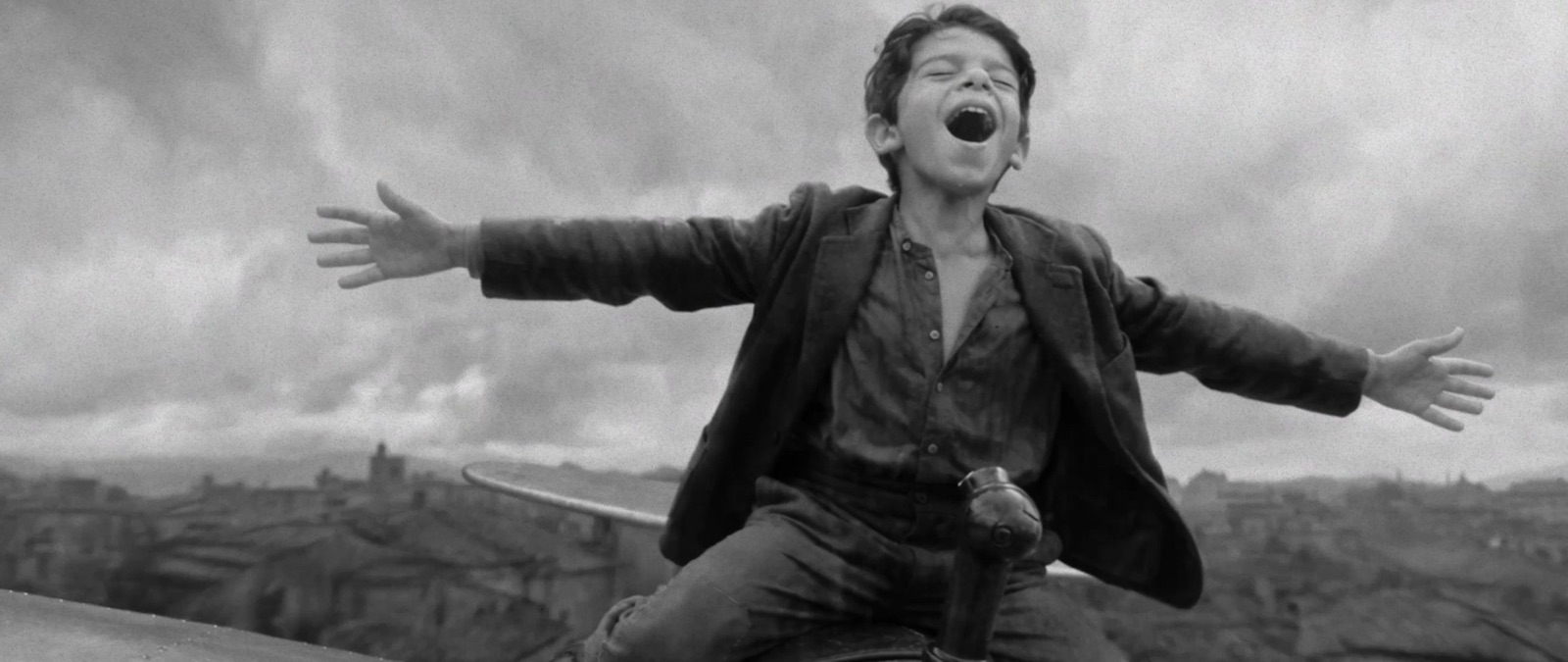
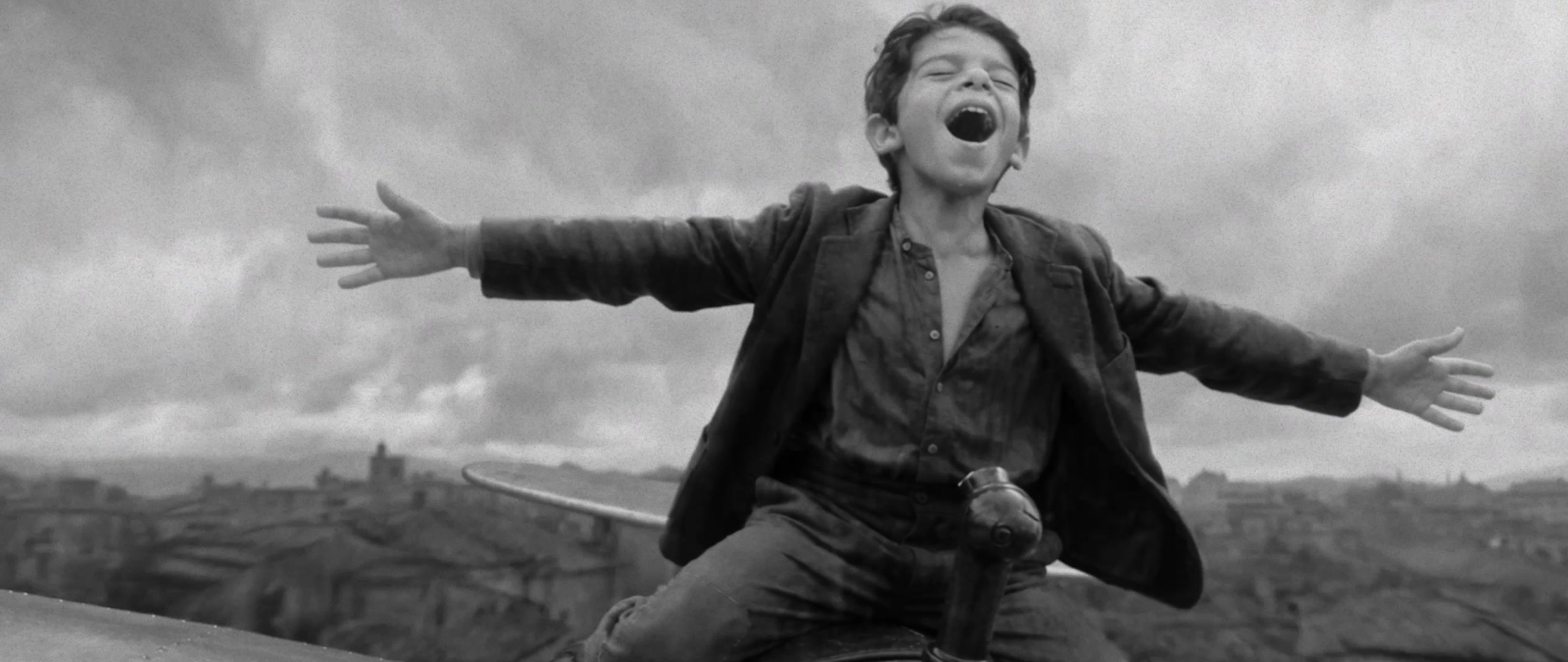
It moves like the family films we grew up with, with real danger, real comedy and an ending that earns every tear. And it has what AI films have so rarely had until now: real performances. Bruno never says a word, yet he tells you everything. Giulio’s face carries the weight of a boy forced to choose between his friend’s dream and his friend’s life.
“I didn’t make an AI film. I made a film,” says Orozco. “People keep saying these tools have no soul. The tools don’t. The soul is the director’s job, and it always has been.”
A Donkey Who Wanted to Be a Unicorn premieres today, in full and free, on YouTube.
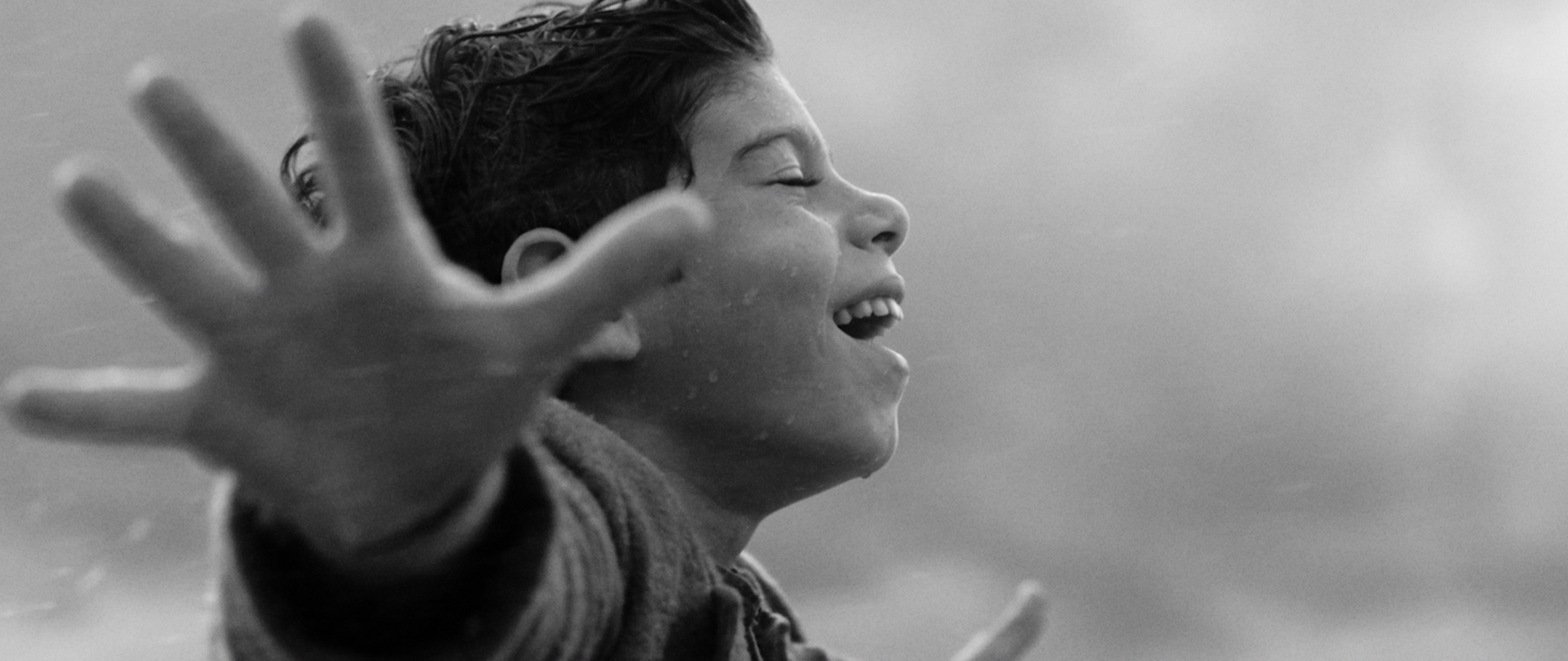
The film
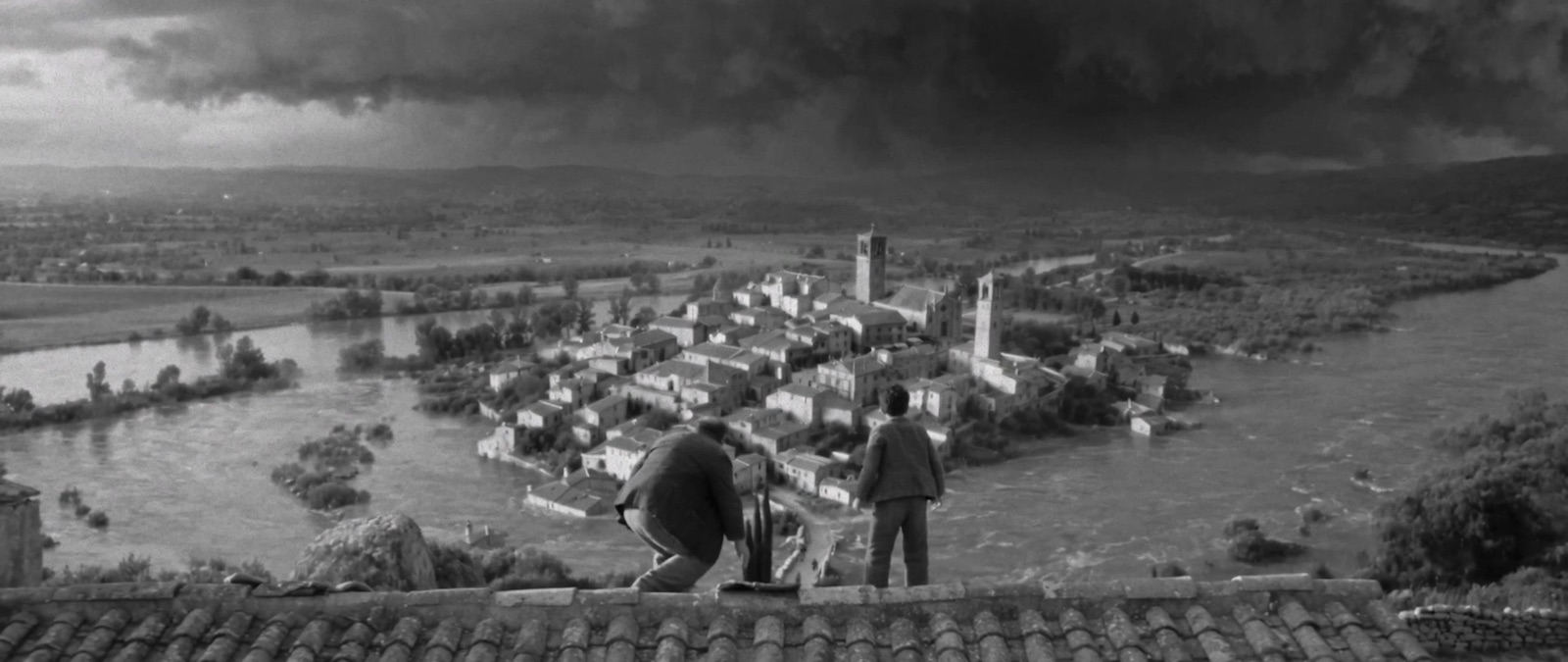
Logline. In postwar Italy, an eleven-year-old boy and the old donkey everyone calls useless chase the donkey’s dream of flying, until a flood turns their ridiculous machine into the only way to save his grandmother.
Synopsis. Italy, 1948. The war is over, but it is everywhere: in the rusting machines, in the roofs nobody has fixed, in the photographs of young men in uniform hanging in houses that learned to go on without them.
Giulio’s father was one of those young men. He died a hero in the war, and people still say he was brave, a magnificent pilot. Giulio barely remembers him. What he has instead is Bruno, an old donkey nobody would buy at any price, and that Giulio buys anyway with the last of his coins.
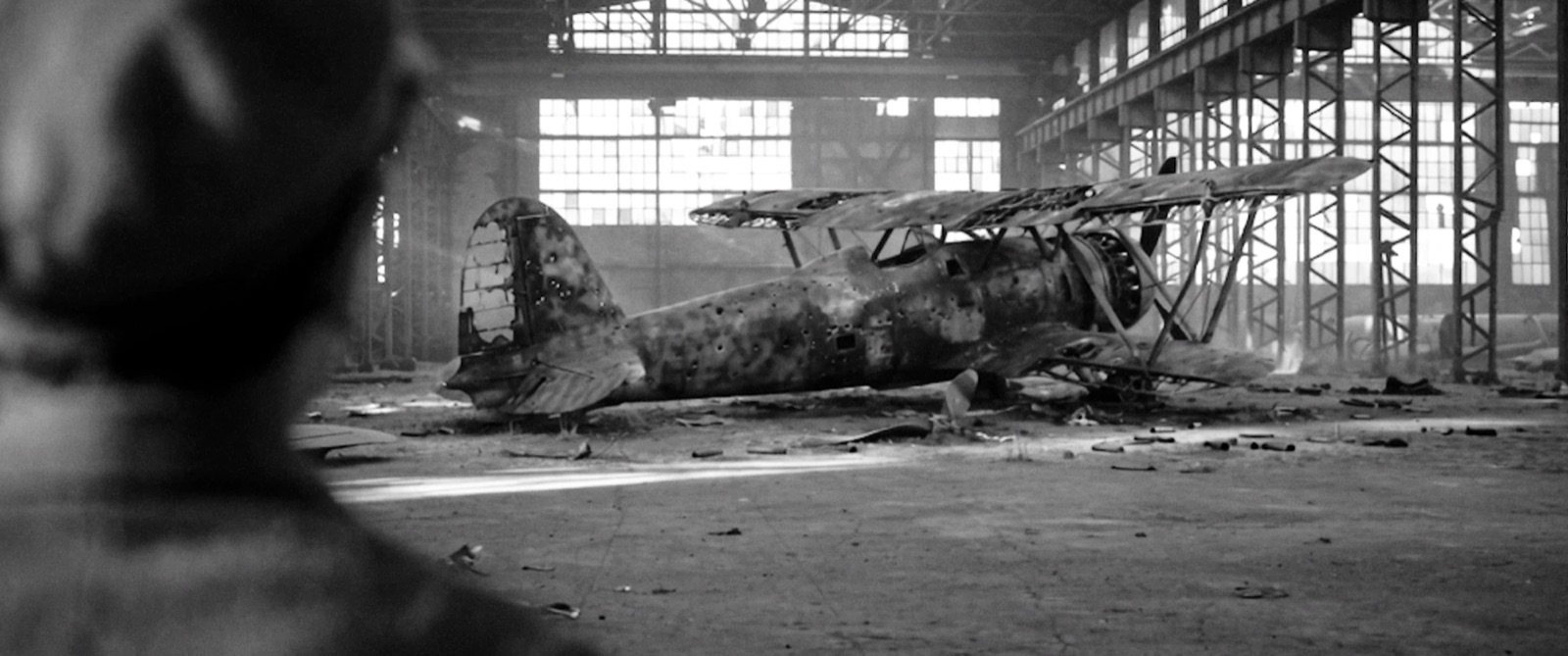
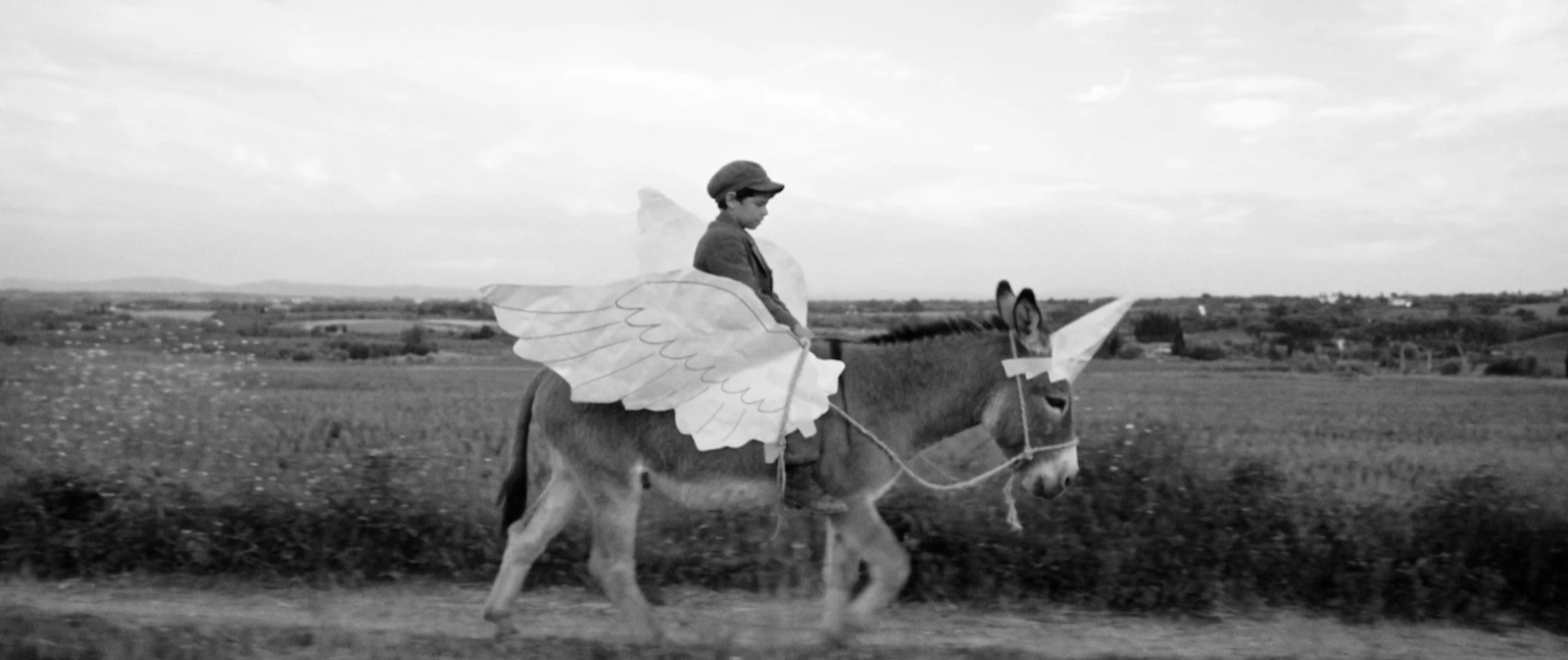
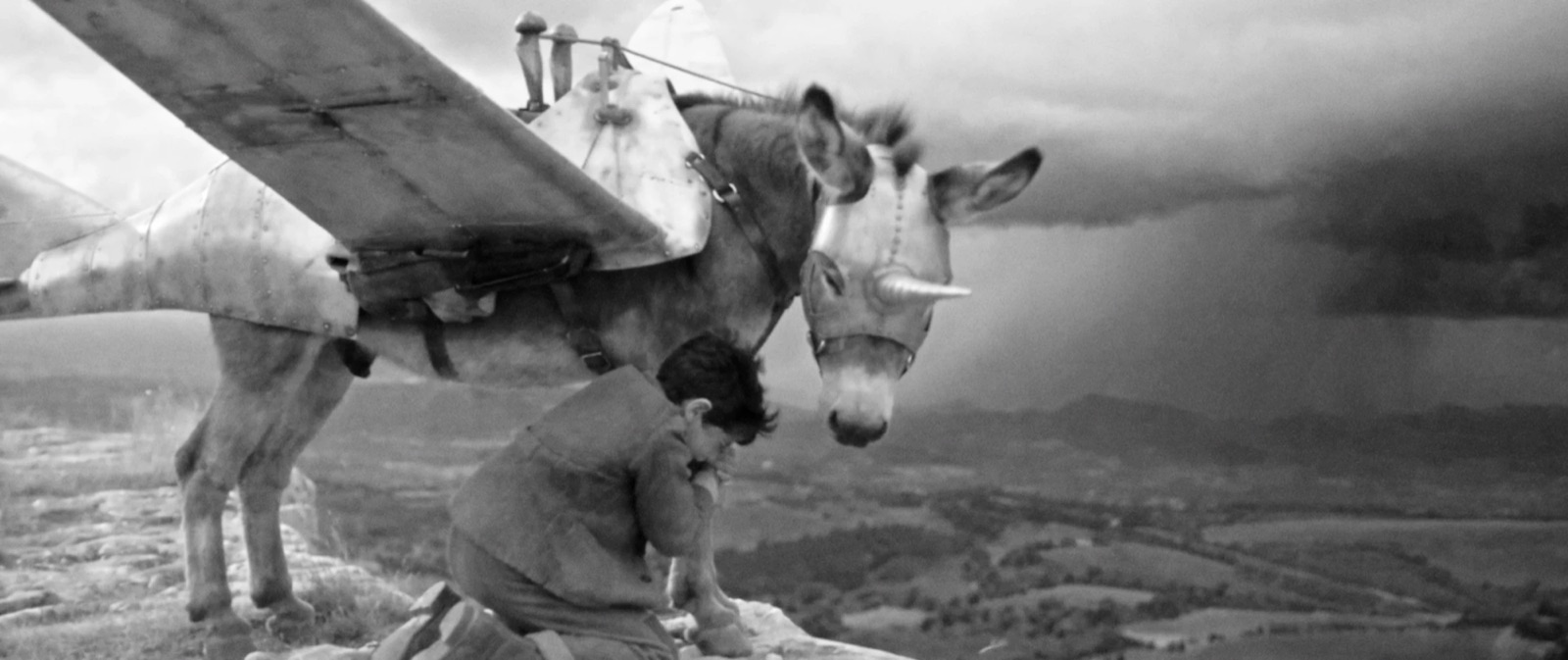
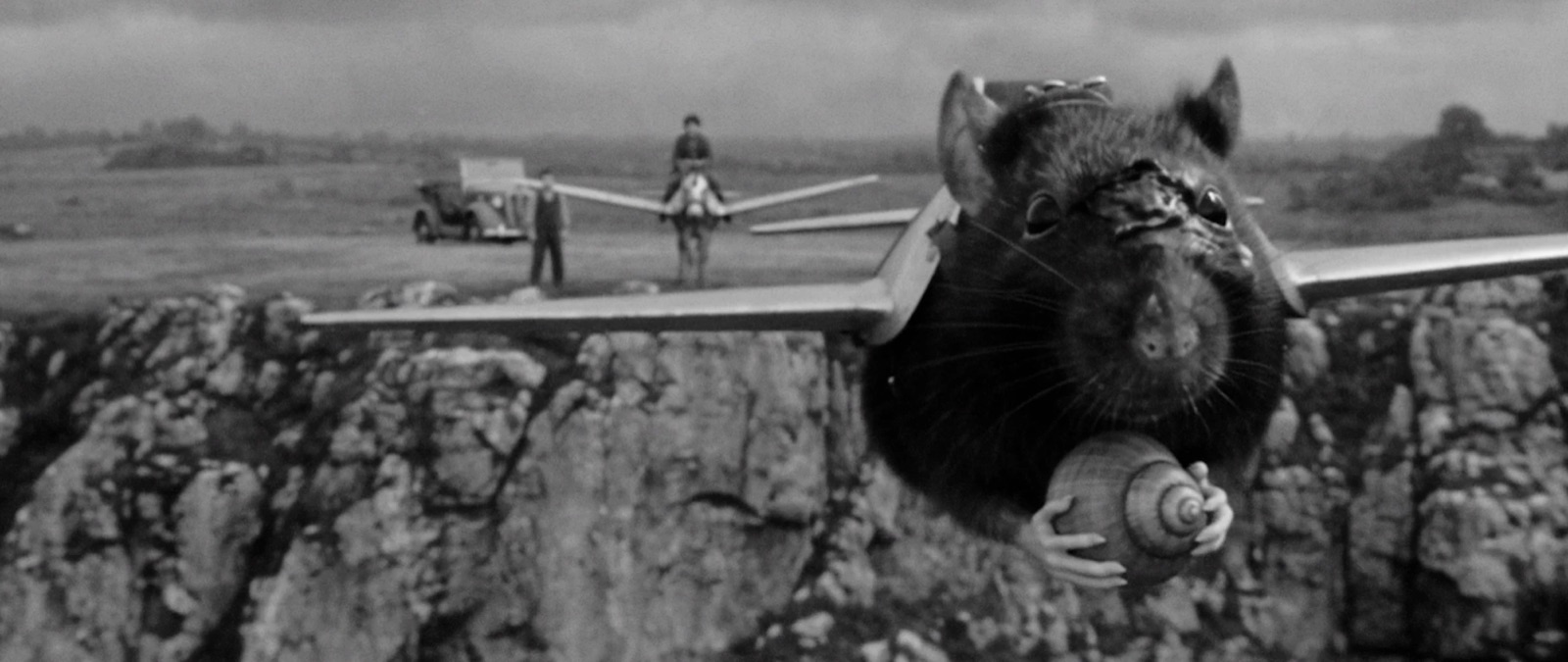
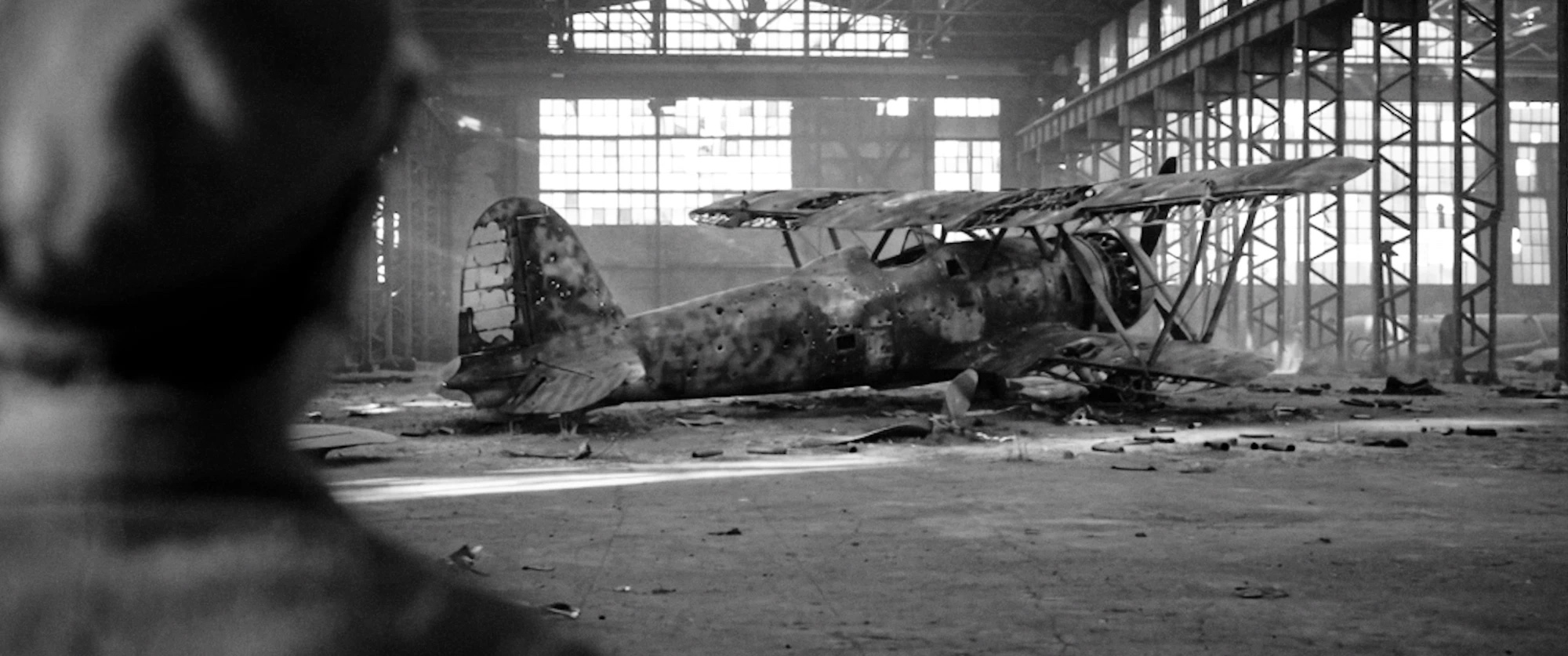
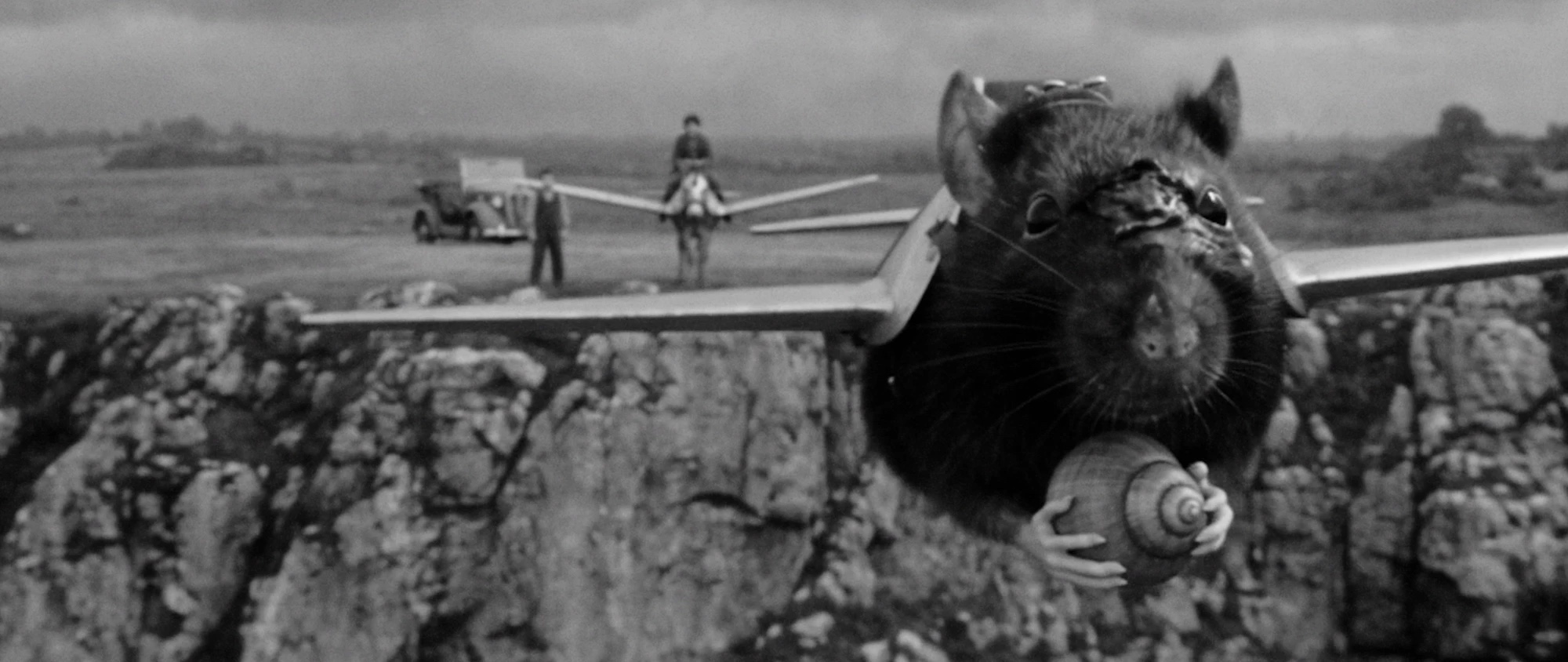
When Bruno sees a unicorn fly on the cinema screen and decides that is what he is going to do, Giulio decides to help him. First with paper wings. Then, after a bully laughs in their faces, with real ones, built from the wreckage of a bombed aircraft factory beside the same kind of plane his father flew.
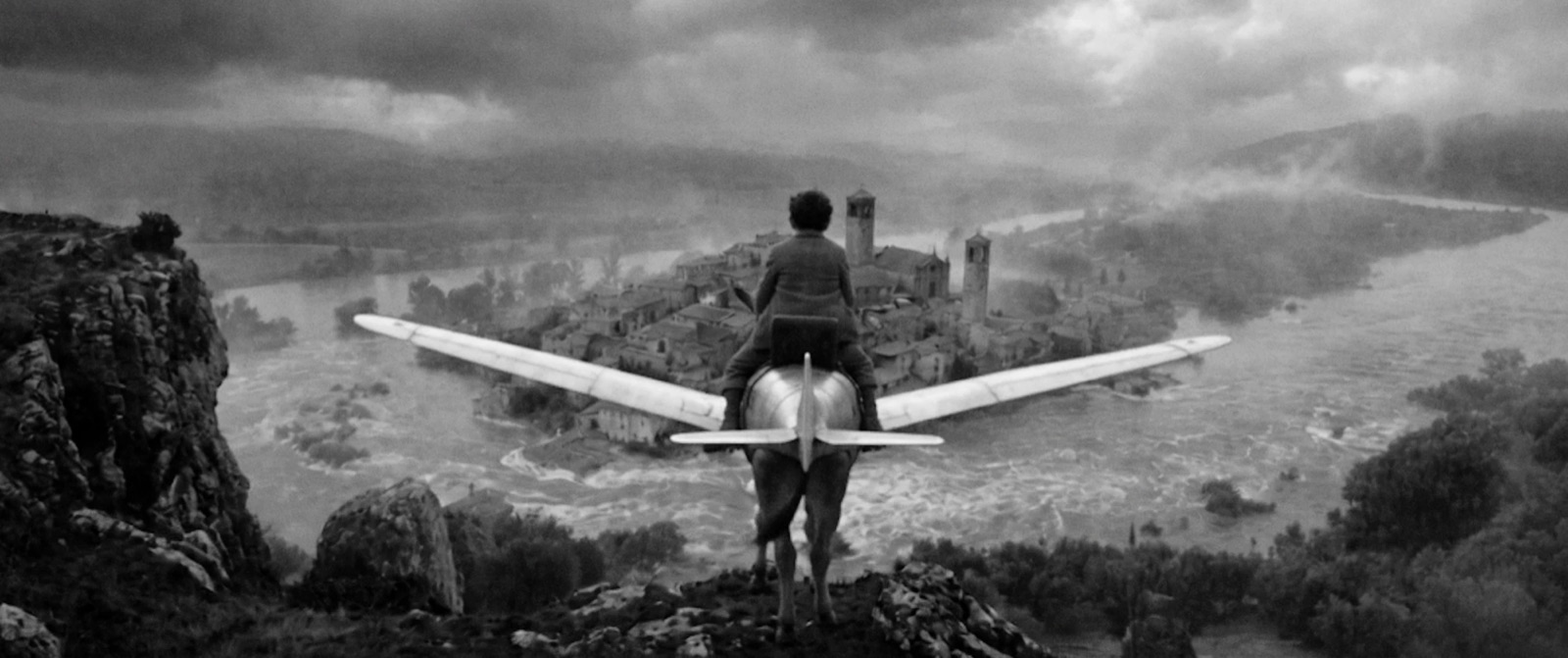
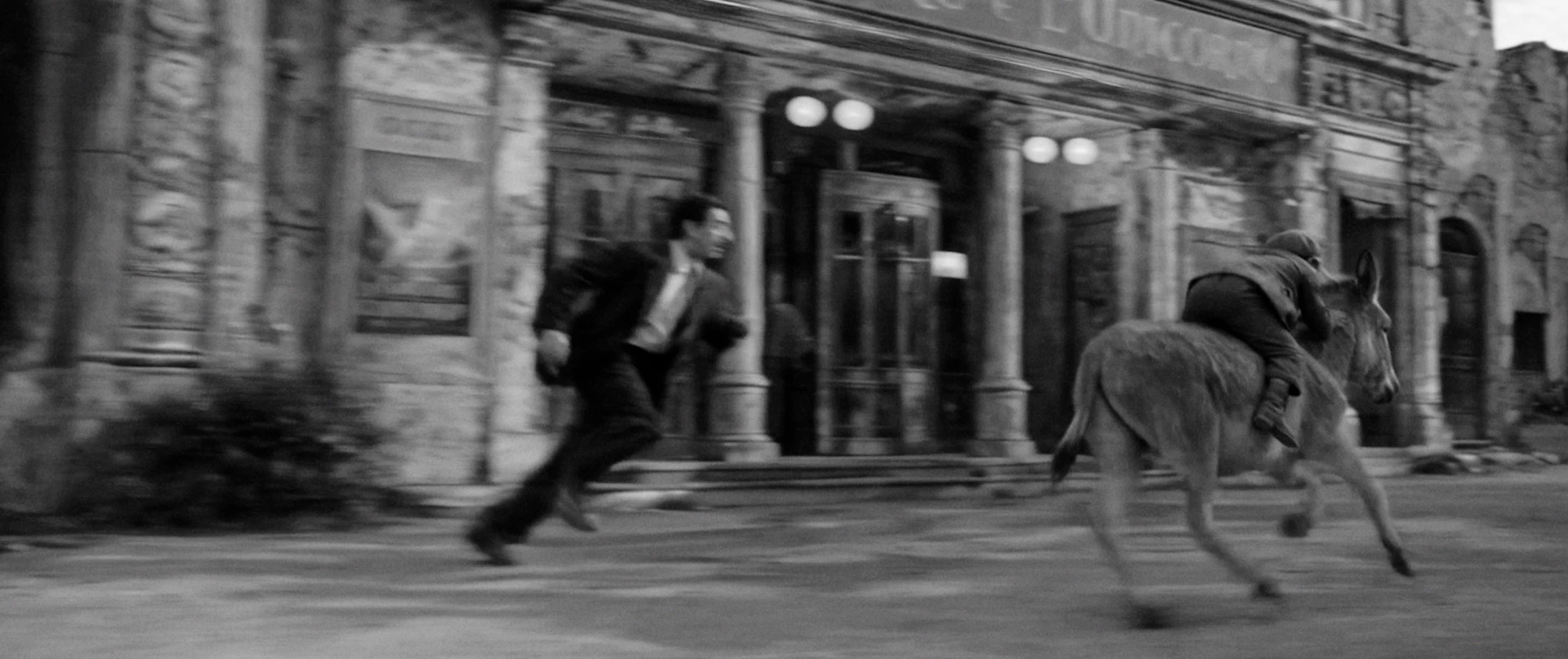
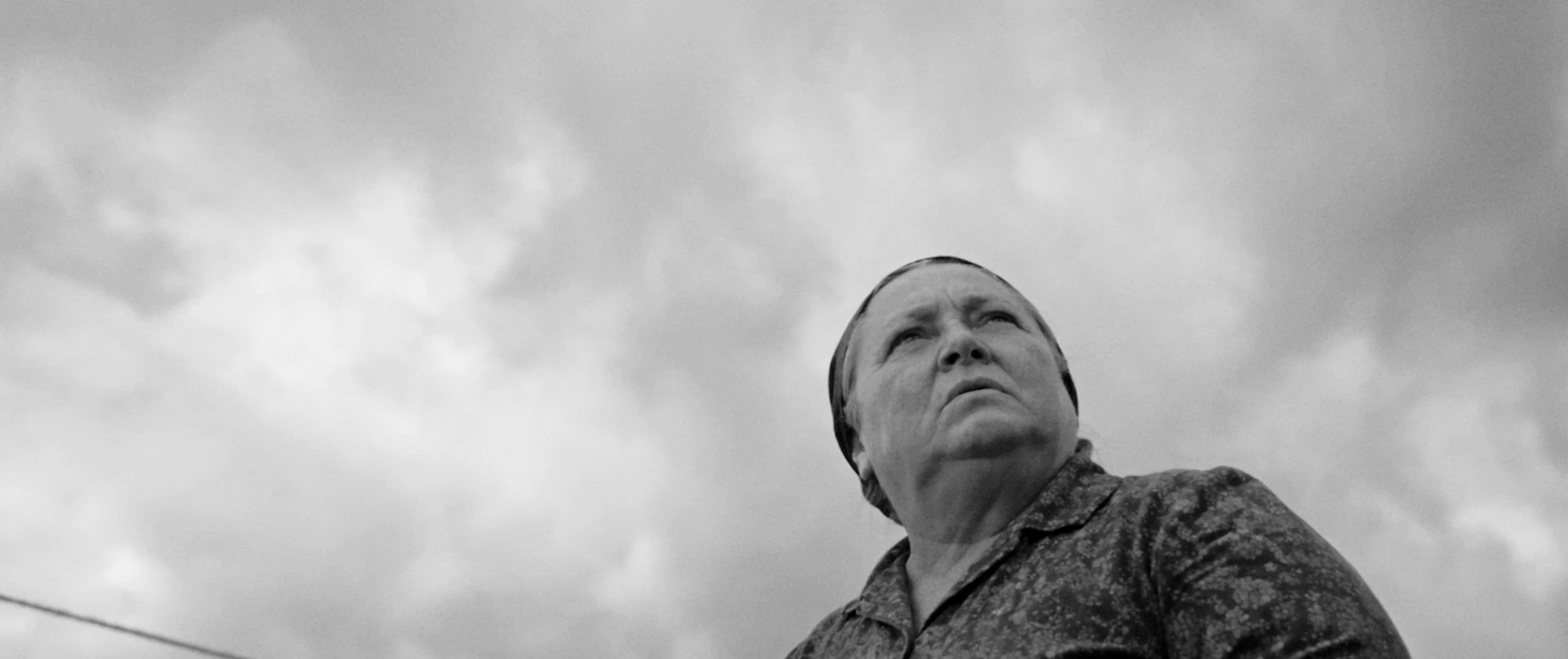
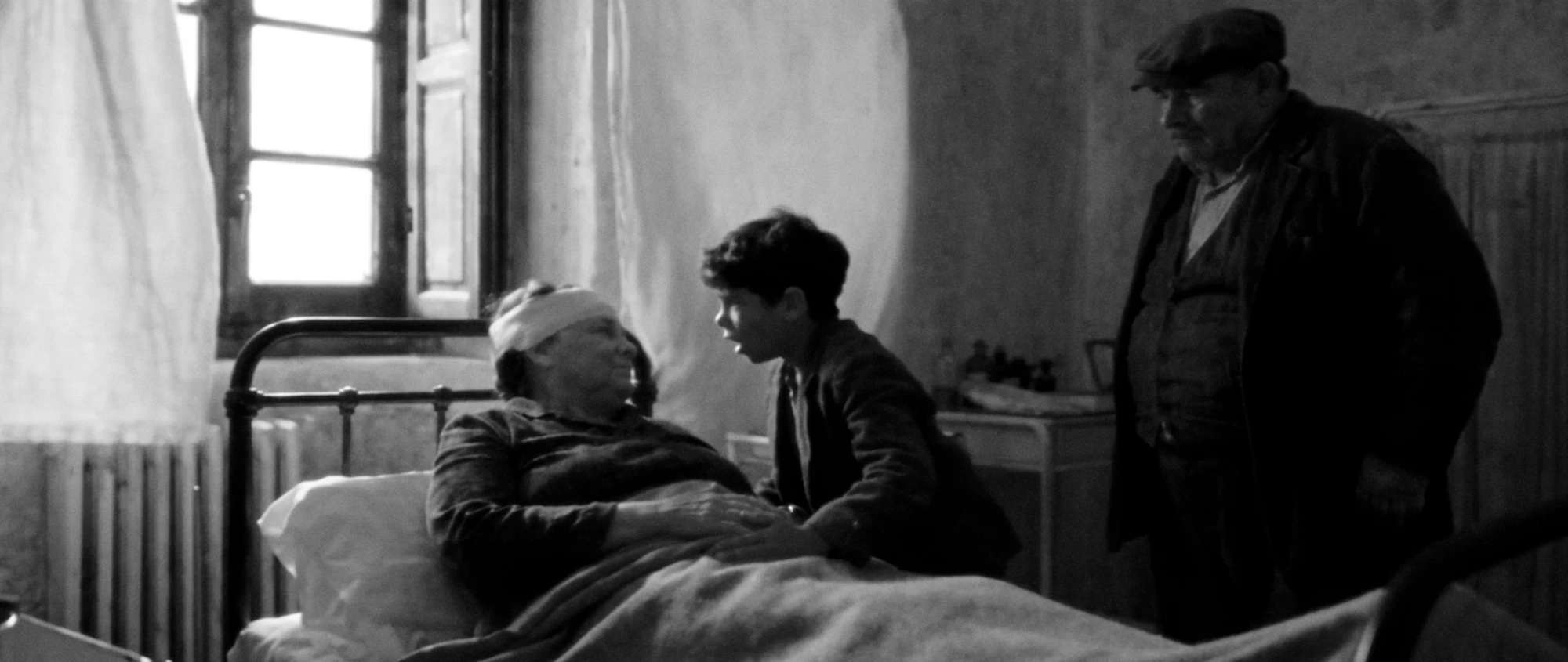
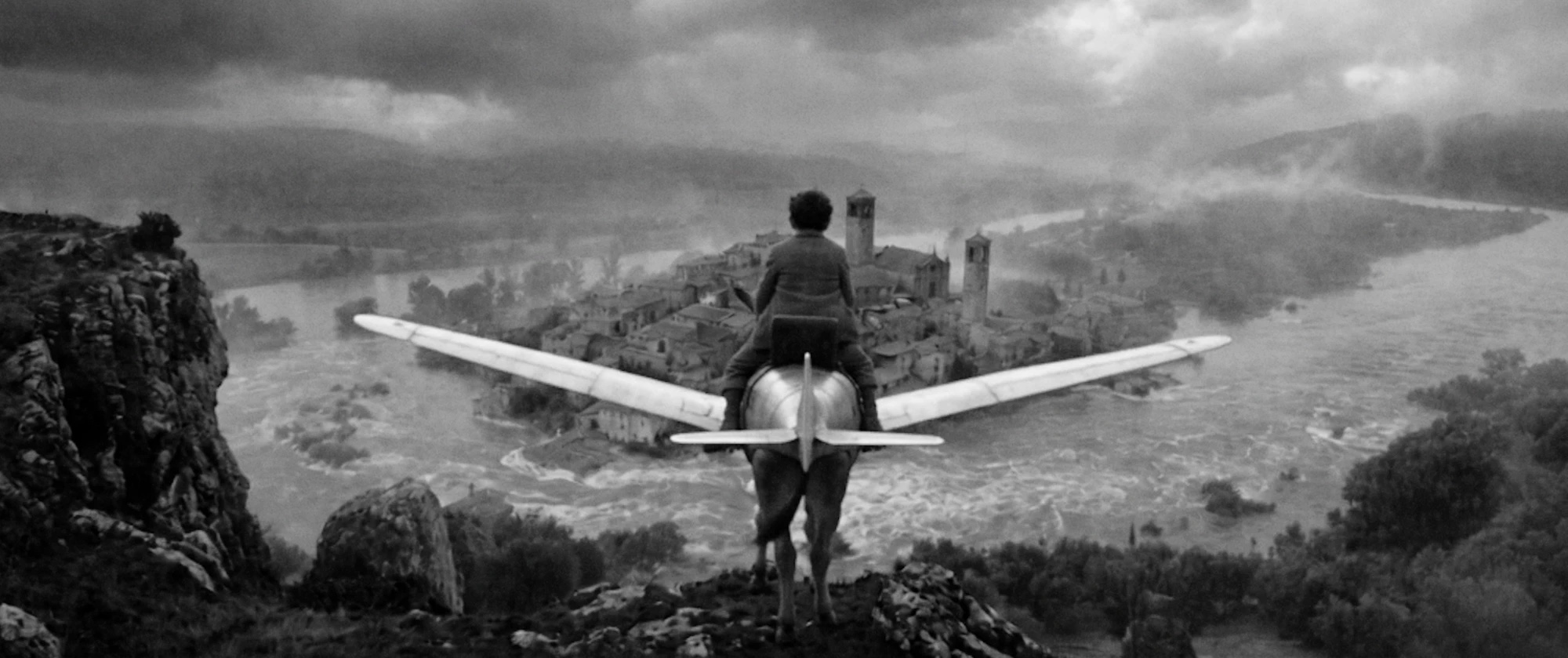
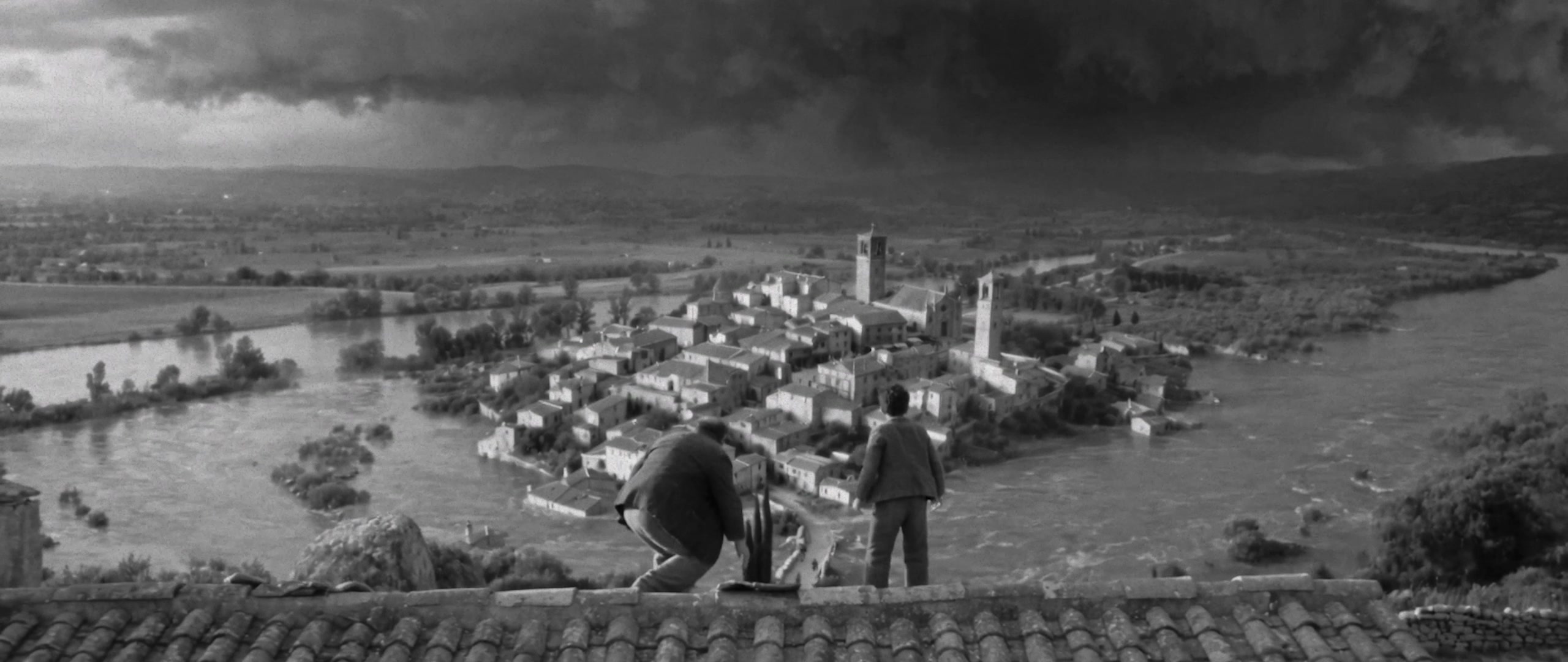
The closer the dream gets, the more dangerous it becomes. Giulio has to choose between his friend’s dream and his friend’s life, and the choice costs him almost everything. Then a storm turns into a flood, his grandmother is trapped where no one can reach her, and the dream everyone laughed at becomes the only thing that can.
Bruno never becomes a unicorn. He becomes something better.
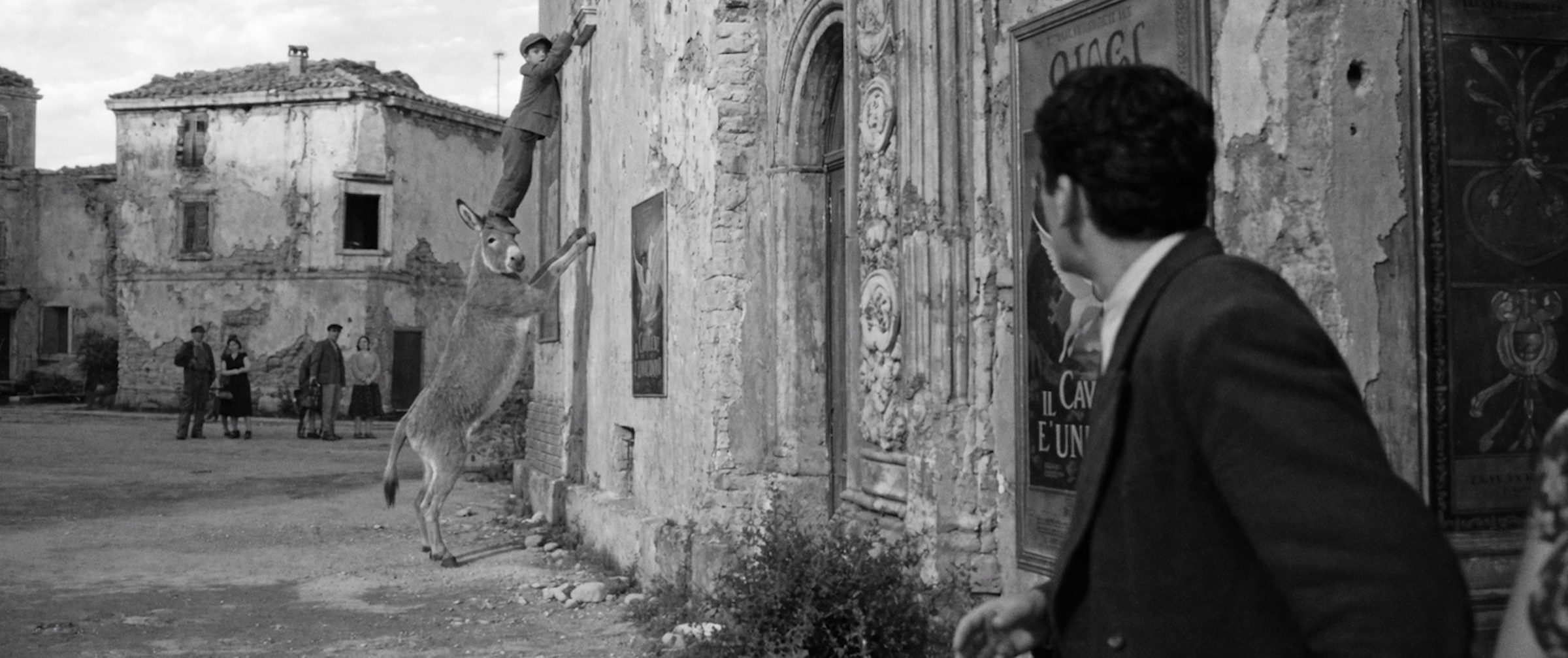
The big idea
The tools don’t have a soul. The director does.
For three years the argument about AI film has sounded the same. It looks incredible, people say, but there is nobody home: beautiful images without a heartbeat, the endless stream the internet now calls slop.
Orozco agrees with half of that. He spent twenty years directing actors for Fox, Sony Pictures and Amazon Studios before he ever typed a prompt, and what he brought to generative video wasn’t a better prompt. It was what a director brings to any set: knowing what a scene is really about, where the camera has to be, when to hold on a face one beat longer, and what to throw away. Two thousand generations went into this film, and most of them were takes he rejected, for the same reason you would reject a take where the actor almost got there.
That is the difference you feel within the first few seconds. You stop watching an AI film and start watching a boy and his donkey.
This is what it looks like when AI ends up in the hands of an actual filmmaker.
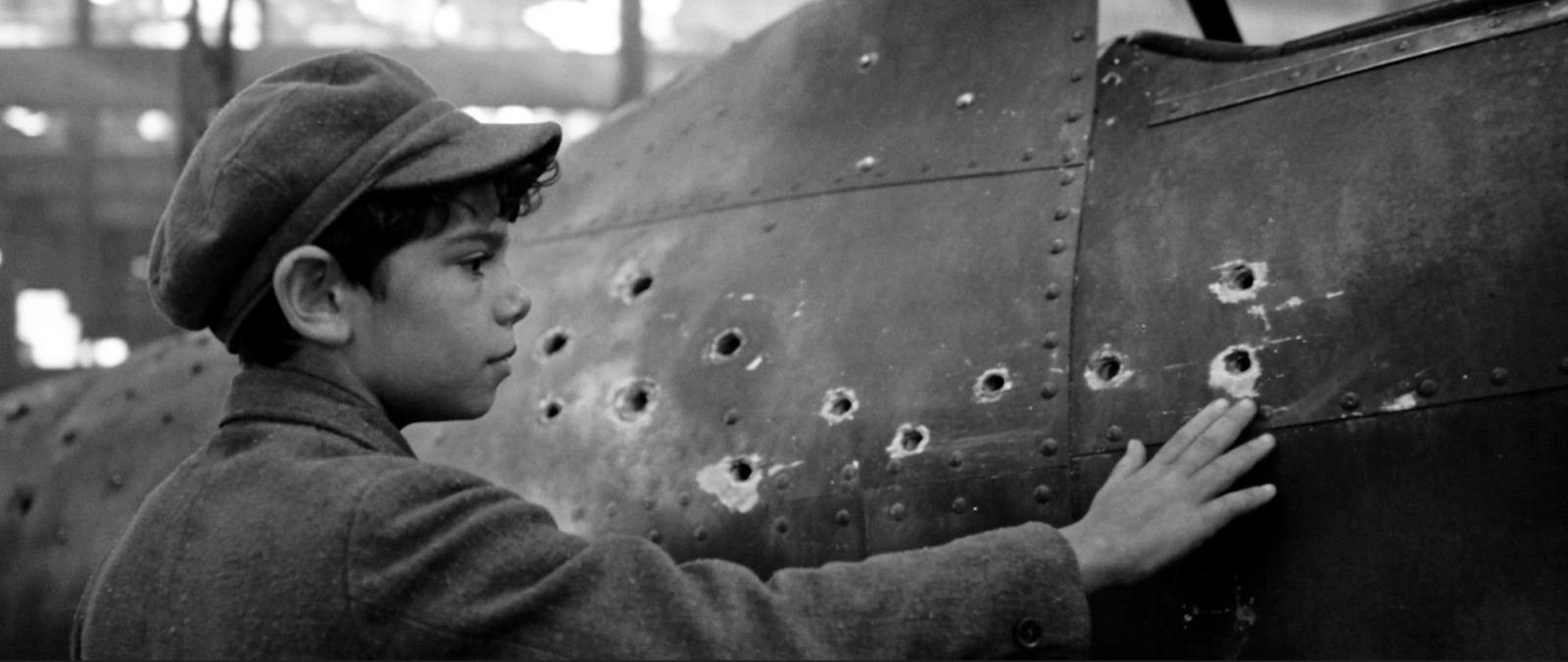
Performance
Directing actors who don’t exist.
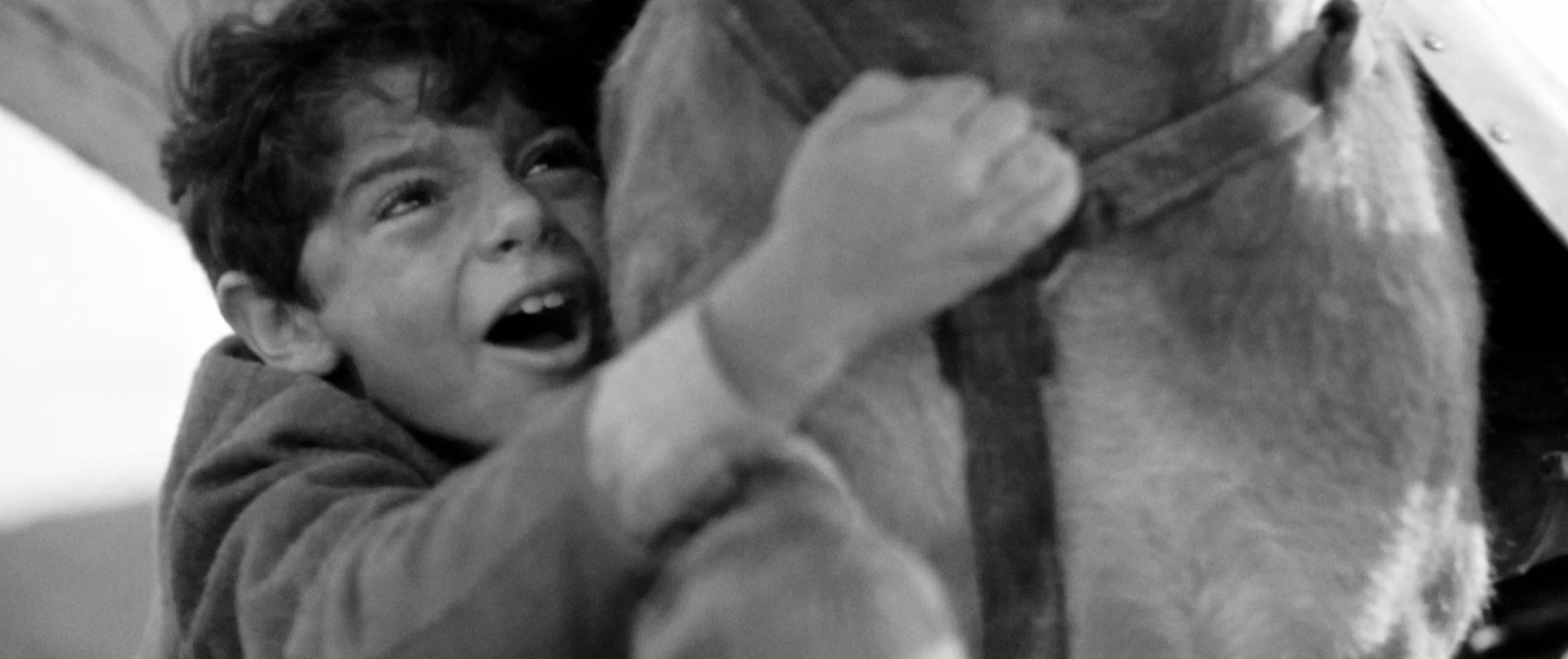
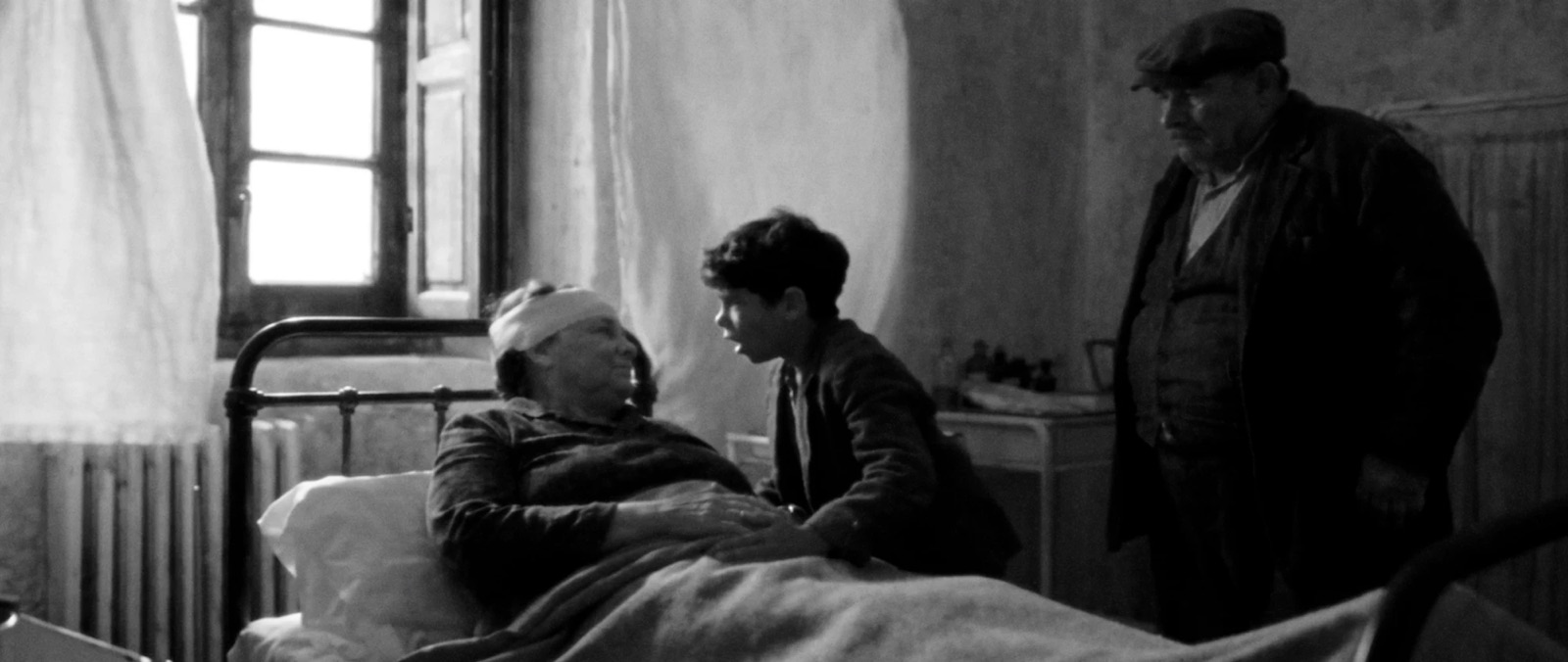
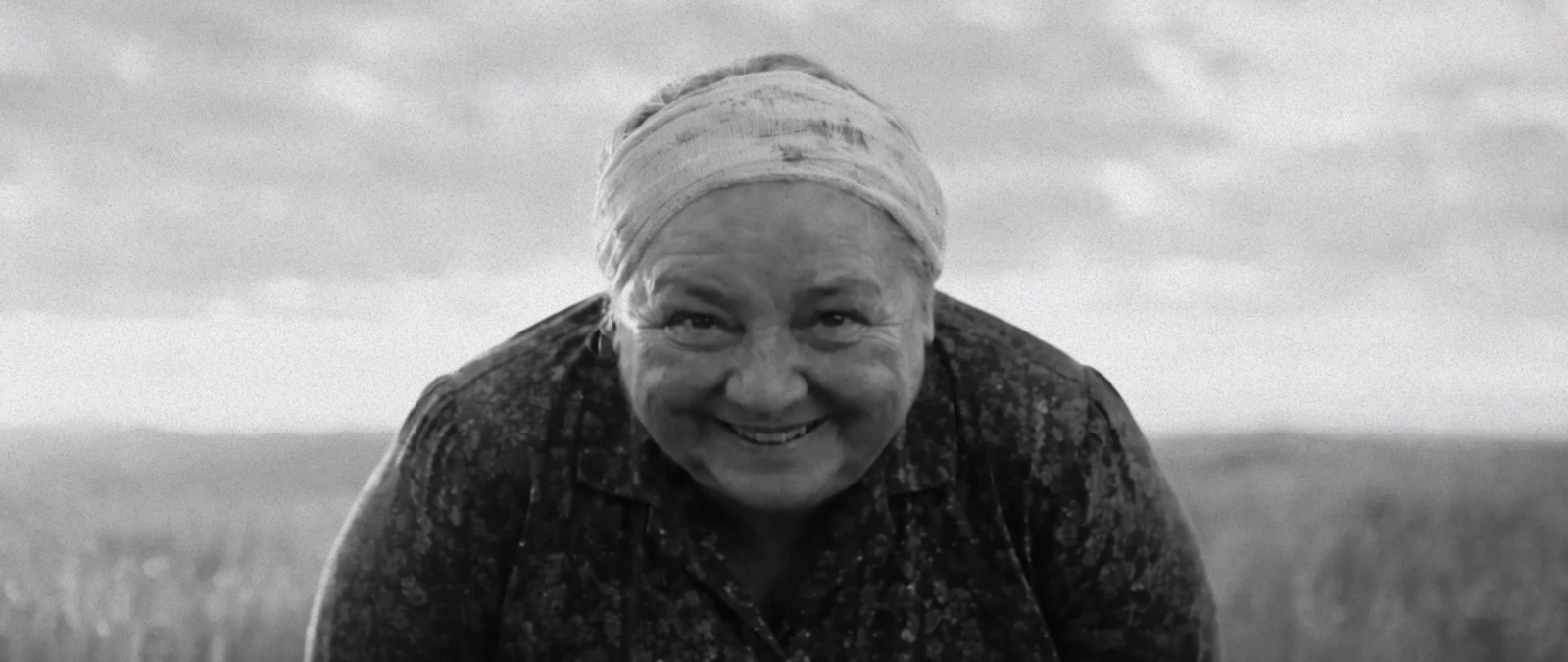
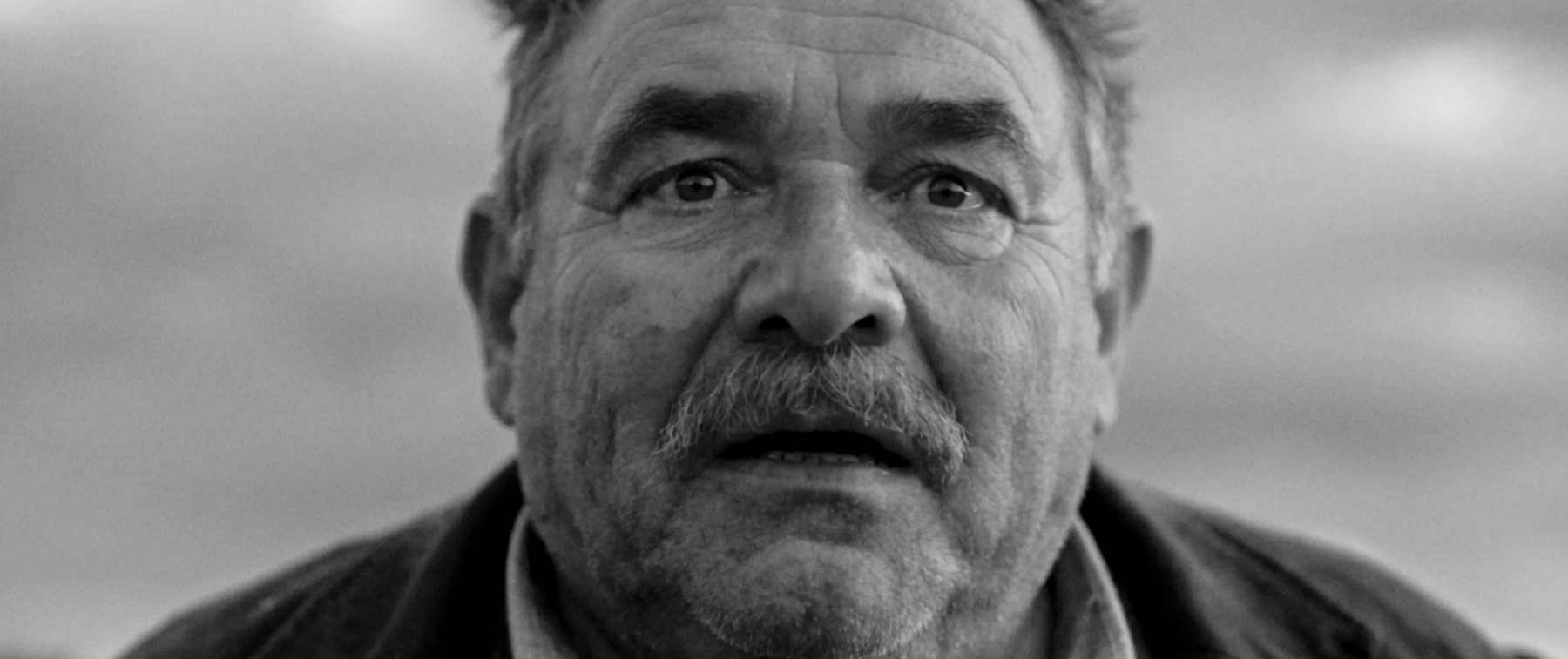
For Orozco, a great performance never starts in the prompt.
“The technique matters. Timing, expressions, the intention behind every line, the accent, where the inflection lands, the body language. All of that builds the mechanics of good acting. But a great performance comes from the character’s purpose in the scene. That’s how Bruno, who never says a word, can give an amazing performance: he has a reason to be there, a goal, a motivation. People don’t care about characters because of the pixels on the screen. They care because of the story behind them.”
J. Felipe Orozco
The road here
Orozco’s obsession: performance.
In the last year Orozco has gone from directing AI images to mastering AI performance, and one short after another has put him at the top of the game. Each film pushed further toward characters people believe in and stories that stay with them.
The Watch turned 36 seconds of AI into 137 million views and 12 million likes. A Donkey Who Wanted to Be a Unicorn asks if sixteen minutes can make them cry.
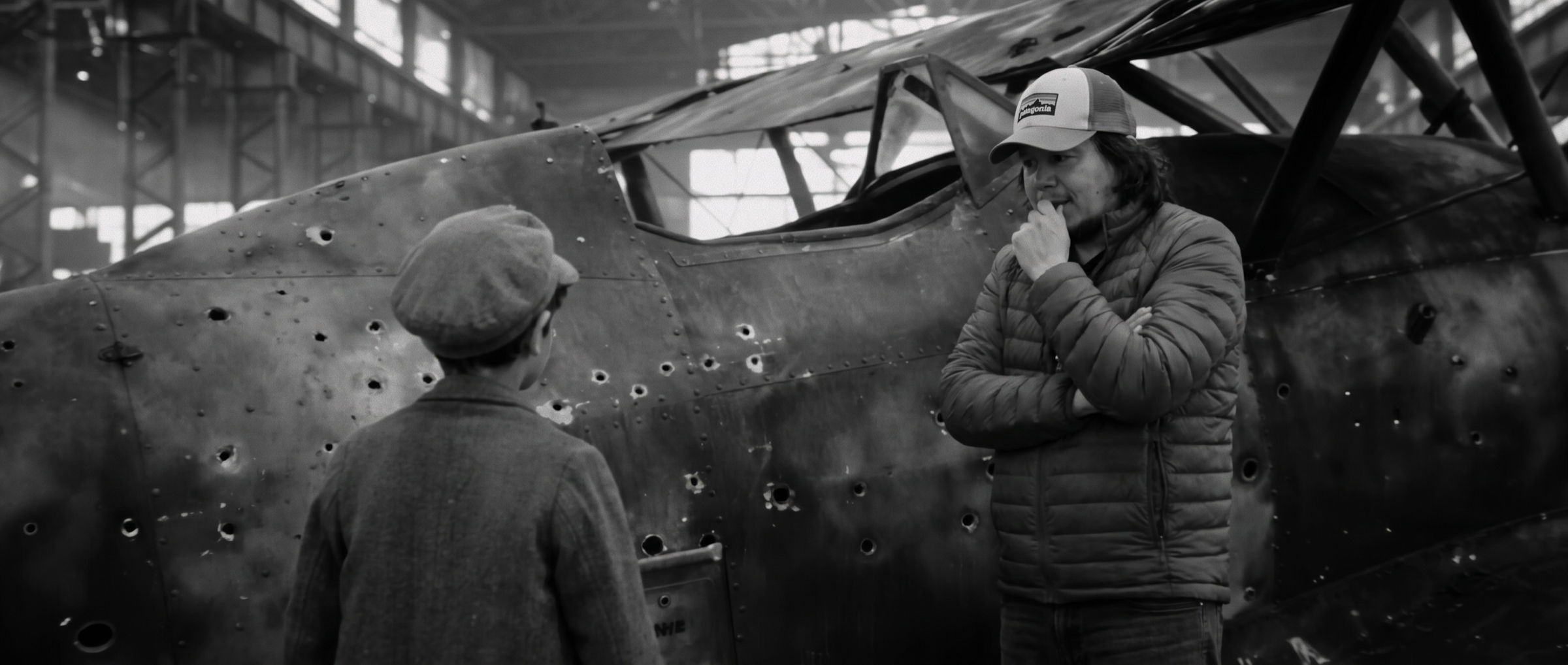
The director
J. Felipe Orozco
“A beautiful short film with a lot of heart. Clearly the work of a real filmmaker with a unique voice. A lovely piece of storytelling, and I’m excited to see what he does next.”
Kathleen Kennedy, eight-time Oscar-nominated producer of E.T. and Jurassic Park
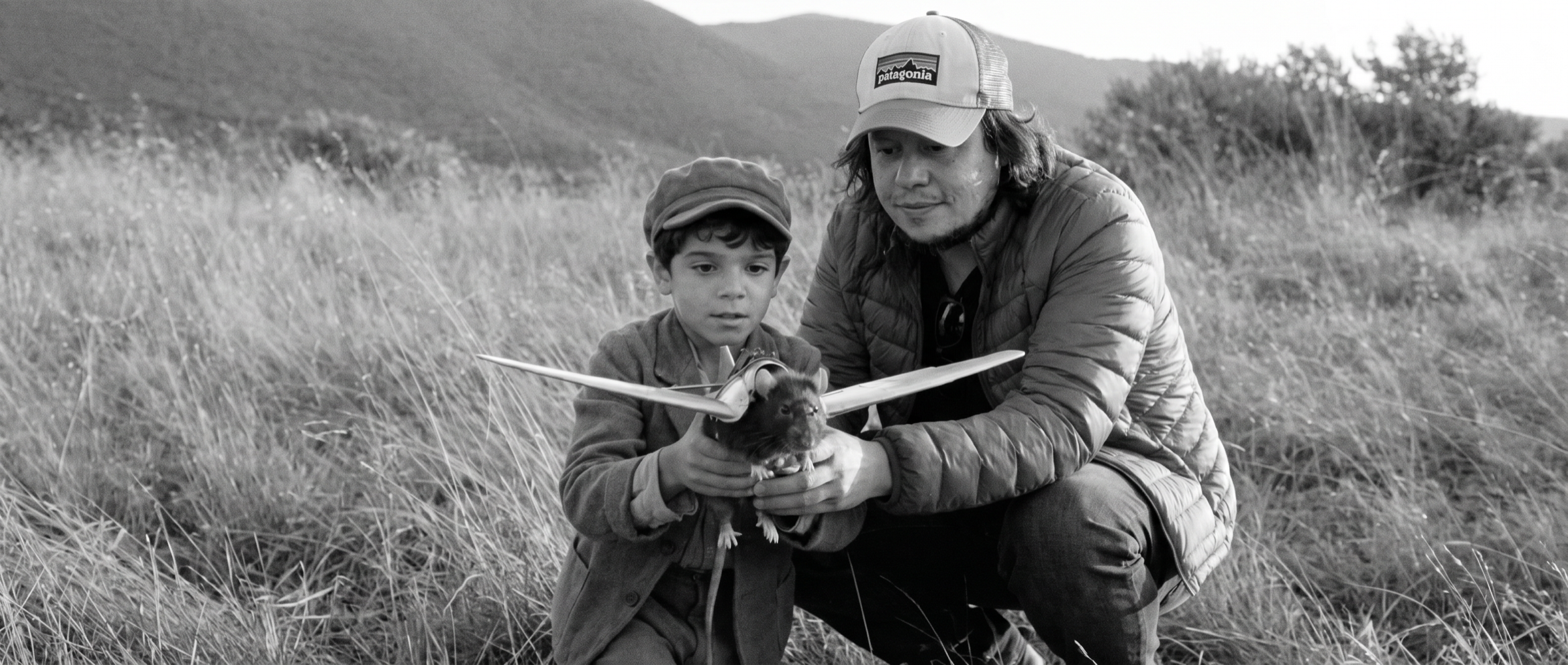
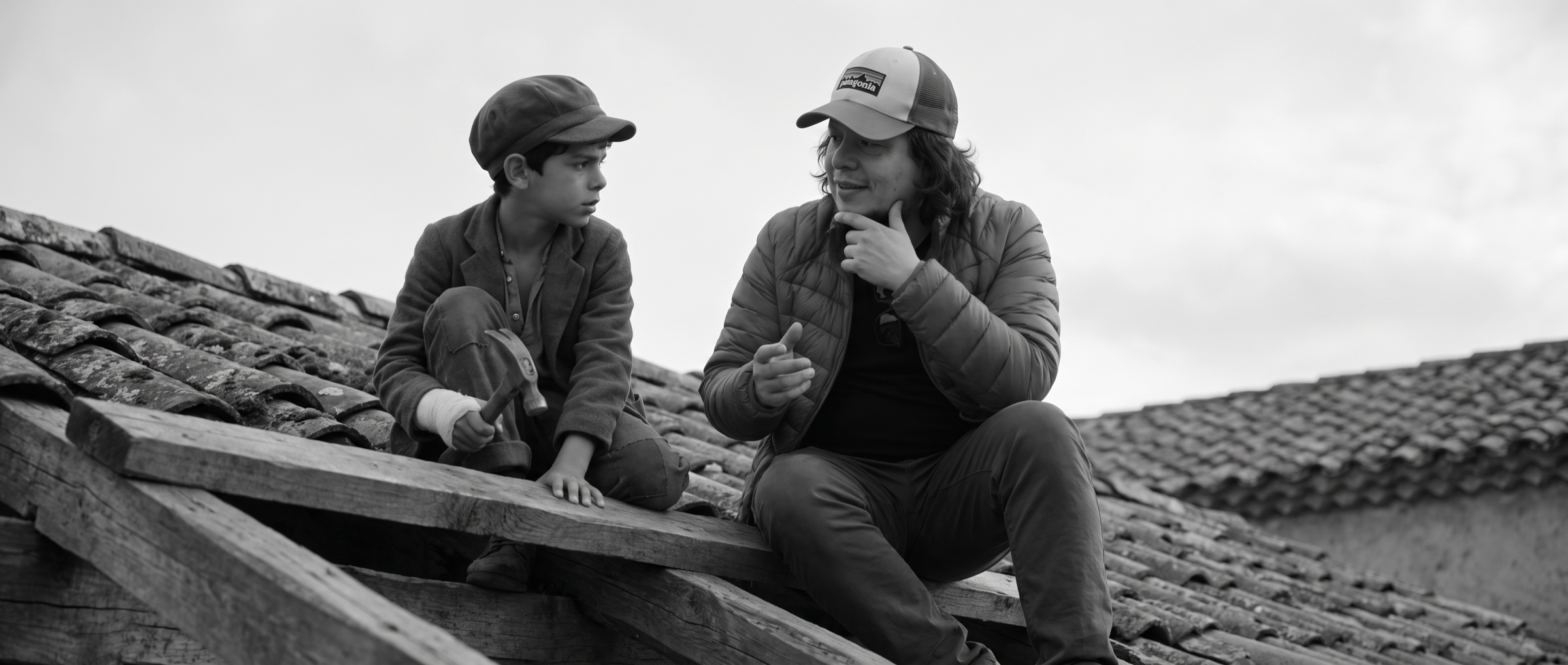
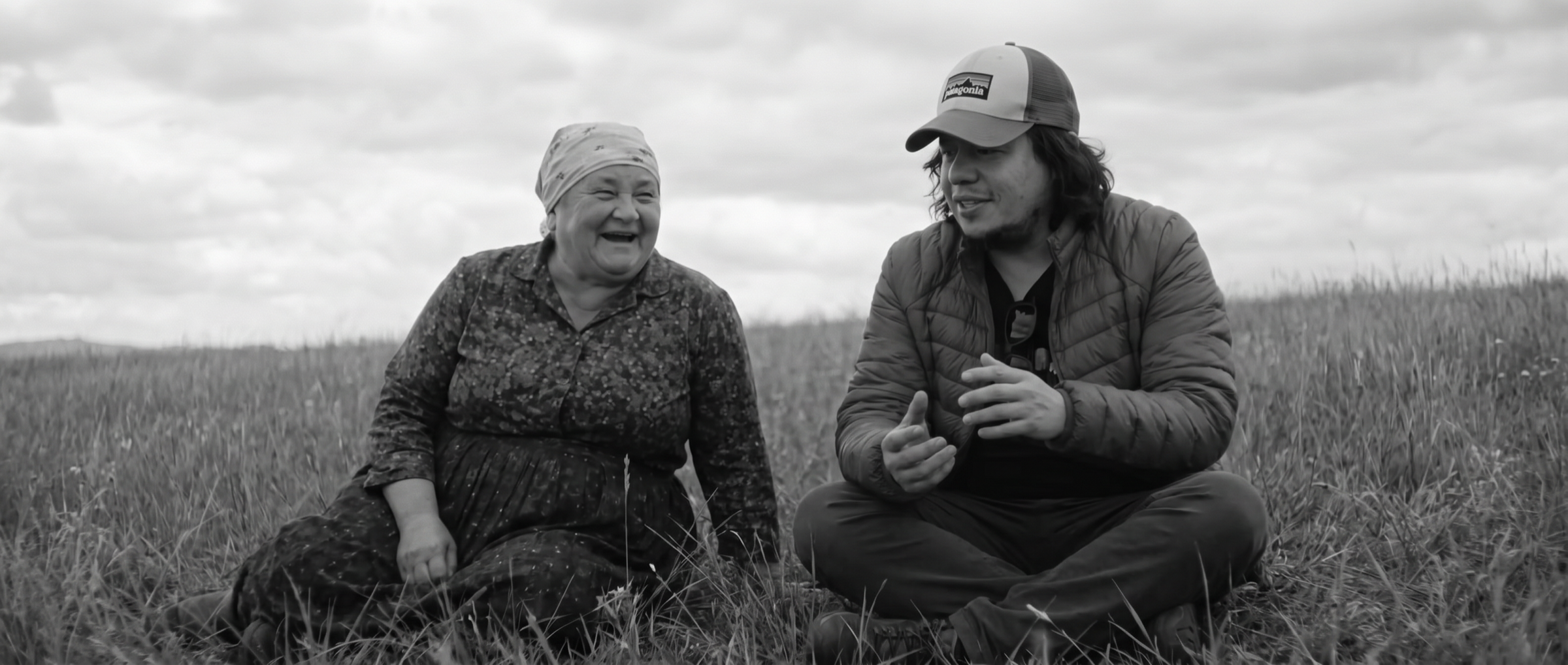
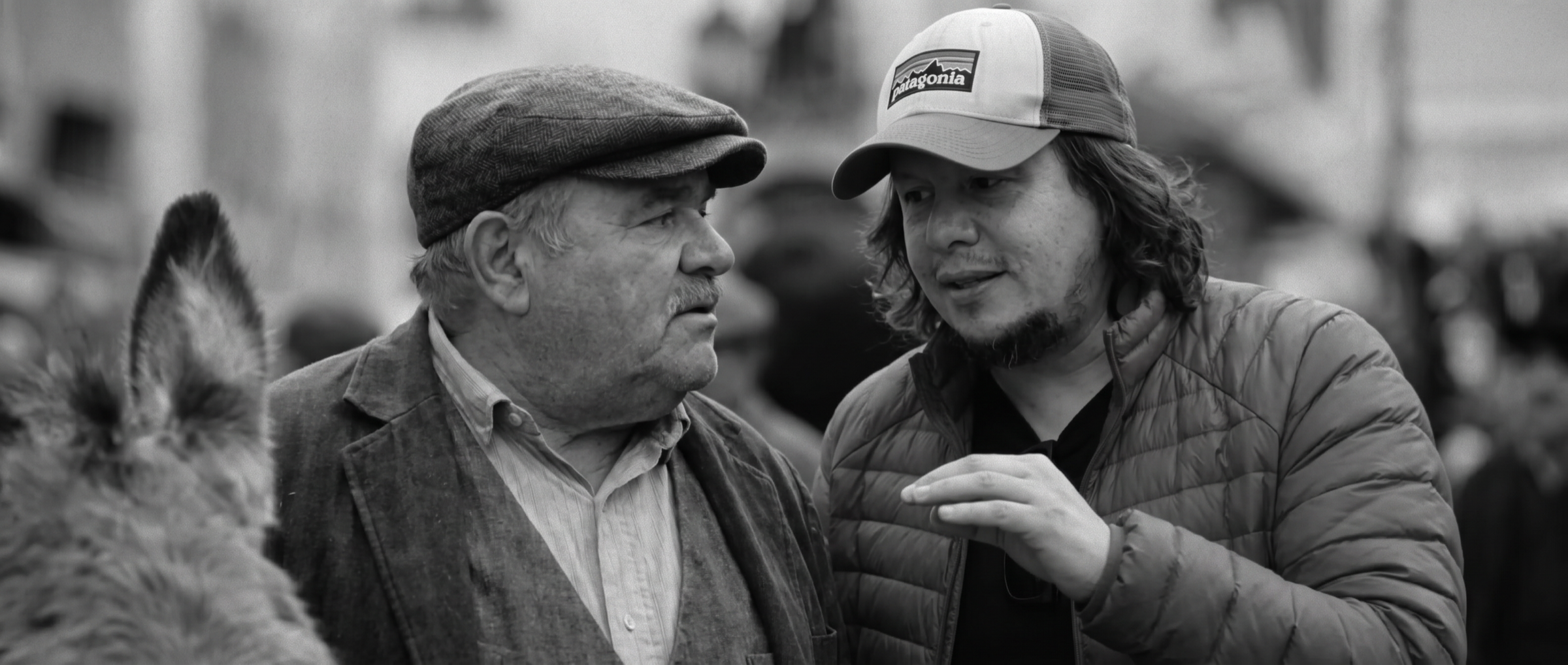
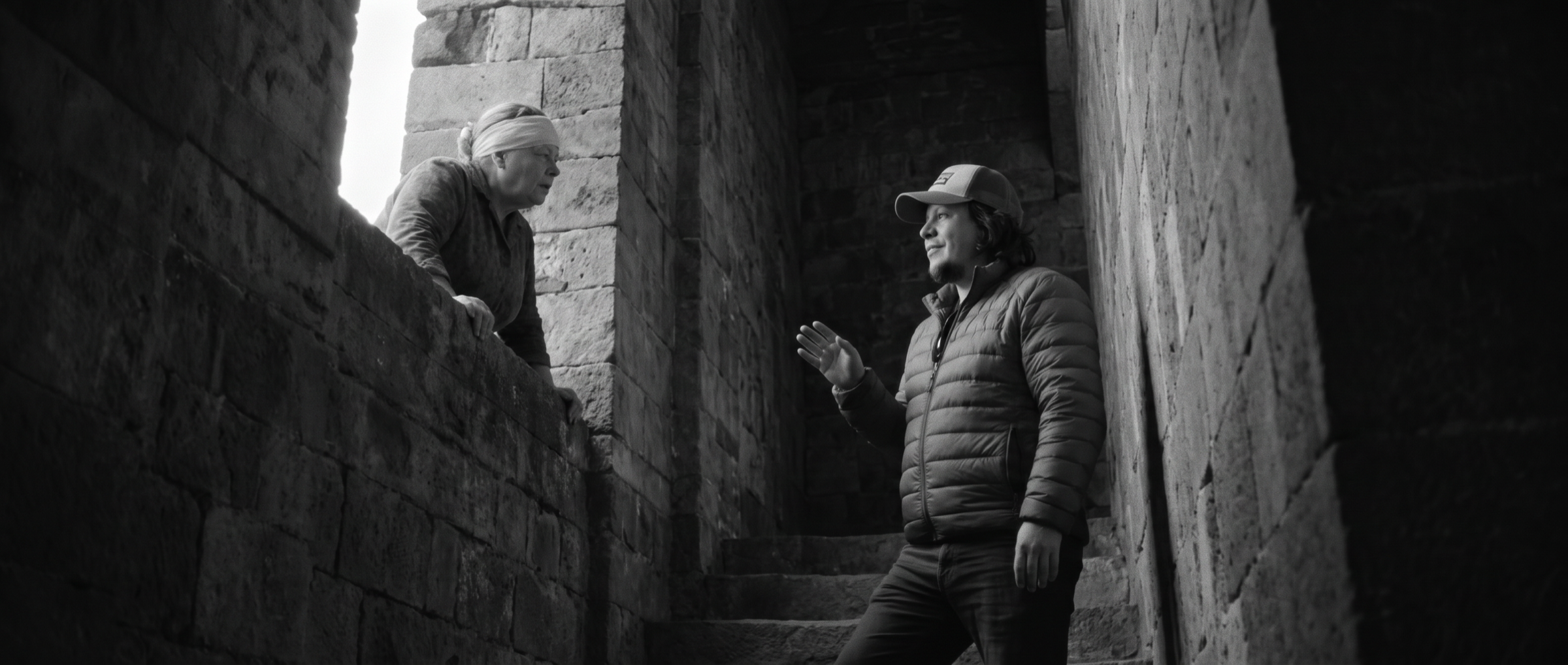
J. Felipe Orozco is a writer, director and producer born in Colombia and based in Pasadena, California, with more than twenty years of filmmaking behind him.
His debut feature, the psychological horror film At the End of the Spectra (Al final del espectro), was a massive hit at home, and its concept set off a bidding war among Hollywood studios. Universal won the rights, and the remake, to be produced with Nicole Kidman’s Blossom Films and James Wan, remains in development. His third feature, The Initiated (Los Iniciados) for Amazon Studios, became a hit on Prime Video, reaching No. 1 in more than 60 countries and the top 3 in the United States.
In 2025 he began making films with generative tools. His short The Third Den caught the attention of the leading AI companies, and Felipe went on to partner with Runway on creative work for the company. Together they produced some of the most striking AI films yet made, including the viral phenomenon The Watch, seen 137 million times and liked 12 million times, and The Rogue, the flagship of Runway’s Project Luxo, each one pushing the tools and the storytelling further.
Today Felipe splits his time between two companies. At Star Stuff Studios, he and his brother Esteban Orozco develop and produce films and TV series, both traditional and generative. At The Blue Lab, he works with film production designer and generative art director Sara Millán, focused on advertising.
Q&A
A traditional director usually ends up with the movie the circumstances let them make. It’s never the movie you wanted to make.
What does a director actually do when the actors are generated?
The same job as on any set. I decide what the scene is about, where the camera goes, how long we hold, what the character wants. At the end of the day the tool renders, but every creative choice is mine, and so are the two thousand takes I threw away. Did I mention I’m a control freak? (Laughs.)
How do you get a performance out of a donkey that never speaks?
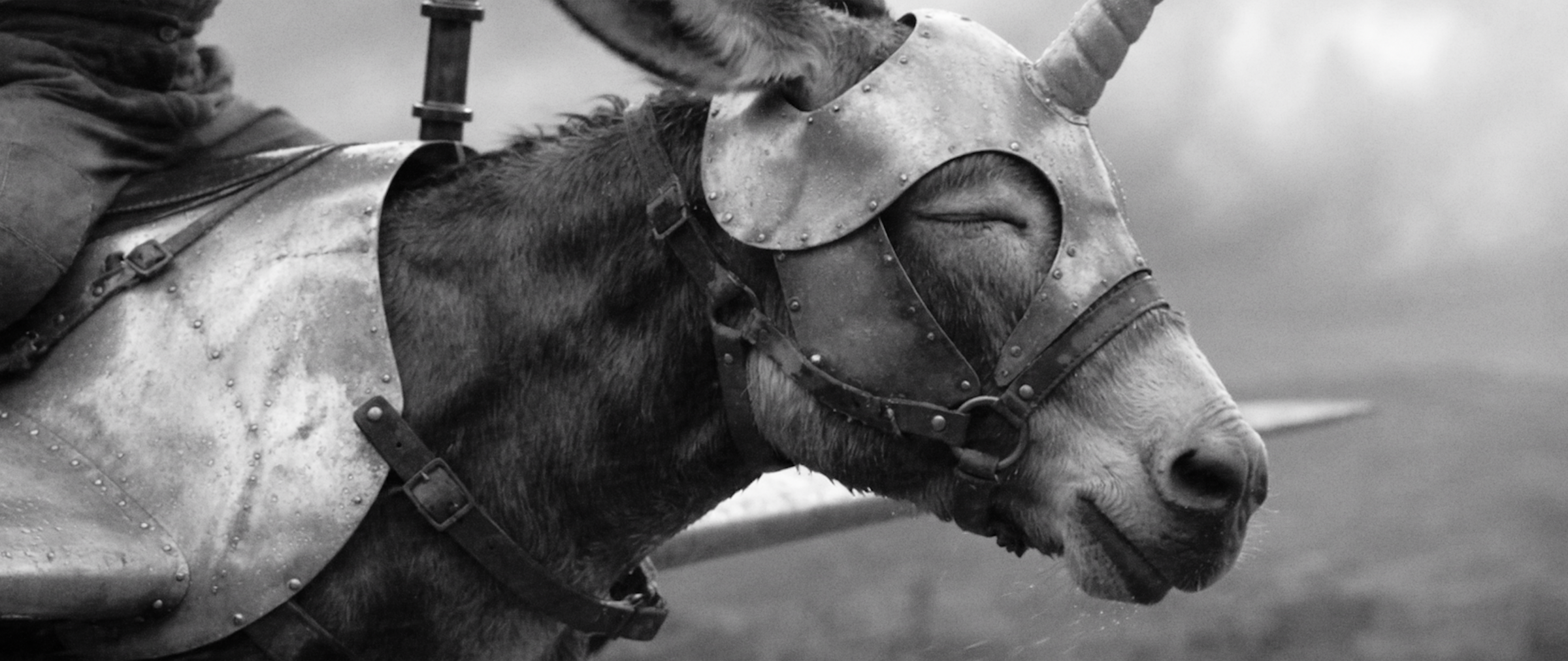
I gave Bruno rules, the way you’d give notes to an actor: ears, eyes, breath, posture. But the rules only work because he has a purpose in every scene. He wants something, so you watch him. It’s the same with every character. I try to understand everything about them in each scene, and from there I give direction: not only the technical notes, but the broader ones a traditional director gives. The arc. Where we are in that arc right now. What the scene is really about. In the end you’re talking to the characters through the prompt the way you would on set, with the same grammar and the same language. It isn’t like writing code. It’s like talking to a human being.
Two thousand generations. What were you throwing away?
Most people keep the first generation. It usually works, and if that’s enough for them, fine. But I have real reservations about the whole “one-click filmmaking” trend. If you click once and get a book from Claude, you’re anything but a writer, not even a bad one. It doesn’t matter how good the result is. In fact, the better that one-click result is, the less of a writer you are.
For me, generative filmmaking is about finding the mistakes, the surprises, the glitches. I mean those magical moments you also chase in traditional filmmaking: the light hitting someone’s hair in a particular way, an actor’s look that lands a second late, an unexpected way of following a direction, a hesitation of a couple of frames. That’s where the magic happens, and when it does, the artifice breaks, because everything starts to feel natural, imperfect, beautiful, real.
Say I generate the same sequence twenty times. Some takes go for technical reasons: strange physics, hallucinations from the model. But most of the time I’m just waiting for the magic to show up. Not always, but more often than you’d expect, it does.
Who are your influences, and what did you take from them for this film?
The most obvious one? Tornatore’s Cinema Paradiso (laughs). It’s one of my favorite films ever, and one of the movies that inspired me most when I was starting out. Of course Italian cinema: neorealism, De Sica, Antonioni. Truffaut and the French New Wave. Benigni’s Life Is Beautiful. You can tell how defining European cinema was for this film. But there’s also a fantastical side, the magical realism of Gabriel García Márquez; the comedy and tone of Mark Twain; the comic timing of the Pixar masters, Pete Docter, Andrew Stanton and Lee Unkrich; and of course Steven Spielberg (laughs).
Why make this with AI instead of a traditional crew?
Bruno? Honestly, I wouldn’t know how to produce a short of this scope the traditional way. I mean, I know how it’s done, but I don’t know how I’d make it happen. In live action this is easily a $500,000-plus short. If you want it to look as good as this version, at Hollywood level, you’re talking $1 million to $5 million, plus two years chasing the traction and the money, then a full year of pre-production, production and post, and then two years on the festival circuit. And that’s only if the short happens at all, which is maybe one in a hundred, one in two hundred.
Even then, as a director you end up with a million regrets, a million things that didn’t turn out the way you imagined them. I call it el colador, the strainer: everything you imagined gets pushed through it, and only what the circumstances allow comes out the other side. A traditional director usually ends up with the movie the circumstances let them make. It’s never the movie you wanted to make.
Generative art changes that completely. The friction is gone. It’s you, your idea and the team making it. I did this one alone, because that was the exercise, but it could easily be done by a team, all working closely, building a project from scratch and pushing each other creatively to the limit, with the external circumstances reduced to a minimum. They’re still there, and they always will be. But this becomes a process about creating, while the other one is mostly about making things happen so you can create, and by then there’s very little time and money left to create. So: el colador.
Why alone?
For this short it was mostly me. I wanted it that way, so I had to decide everything in every shot: the location, the set, the characters and the cast, the wardrobe, the props, the cinematography, the camera work, the direction, the sound, even working with extras (yes, there are extras in the film). That was my exercise.
But I realized that generative films can be as collaborative as you want them to be. I can see huge teams working on something like this, with an art department, cinematography, editing, research. If you want to make Avatar with AI, you might manage it yourself. But if you want to make the next Avatar, the thing that changes entertainment again, you’re going to need the best people in town. The way these models are trained, they always tend toward the average of things. You have to push and push to pull them away from the average, and the only way to get something 100% unique is to go unique, to create everything from scratch. You need a team.
Why release it for free on YouTube instead of going to festivals?
Speed matters right now. I wanted people to see it now, everywhere, with no gate in front of it. AI and generative tools are evolving incredibly fast, while the traditional festival route is very slow. People wait nine months just to apply to a festival, and a short can take two years from the day it’s finished to the day everyone can see it on a platform. I want people to see it, get inspired and push their own work as soon as possible. That’s another thing these tools are going to change: the waiting.
What’s next?
Bruno and Giulio have more story in them, that’s for sure, but I want to let them rest for a while and find their best next adventure. At Star Stuff we’re working full throttle on the projects we have in development: four feature films and two TV series. The Donkey was our sandbox, a way to understand the requirements and test the workflow before going long. Now that we have the expertise and the know-how, we’re going into long formats with full confidence.
The music
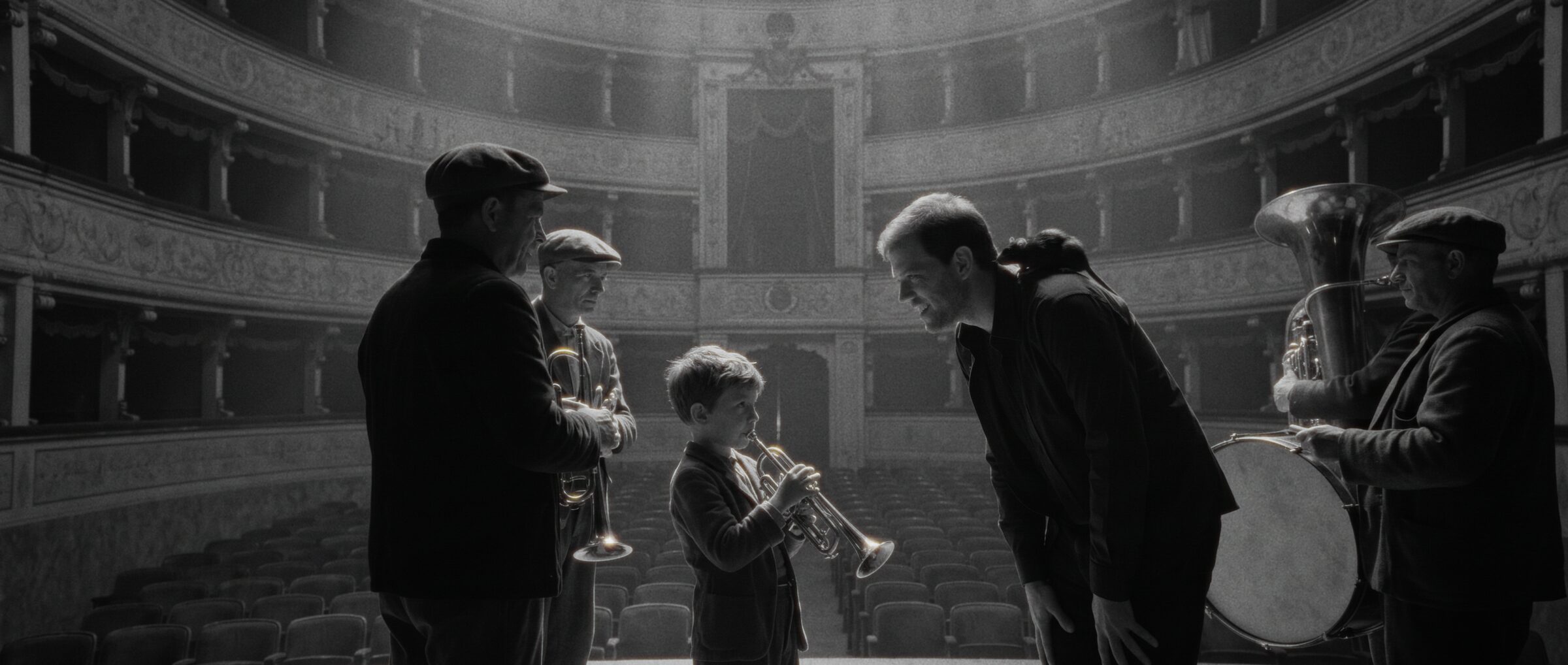
Music by Freddy Sheinfeld.
Freddy Sheinfeld is a Venezuelan composer and sound artist based in Los Angeles. His music has played in hundreds of television episodes, from the Yu-Gi-Oh! franchise and LEGO Star Wars stories to Teenage Mutant Ninja Turtles and Kirby: Right Back at Ya!, and it has reached audiences through Disney, Warner Bros., National Geographic, Nickelodeon and Apple TV+.
He has scored IMAX documentaries presented by David Attenborough, among them Galápagos 3D and Kingdom of Plants 3D, which won him Best Documentary Score at the International Film Music Festival. Add the Goya-nominated drama Simón, the horror film The Whistler, Yu-Gi-Oh! The Movie: Pyramid of Light and games for Konami.
Twenty-five years in, he still starts every project from zero. For each story he builds its own palette of sounds, and only that story gets to use it, pulling from orchestral writing, electronic production, heavy metal and the traditional music of Venezuela. He’s a film lover first, and he’s happiest when he’s tearing up his own process. Right now, the possibilities feel almost endless to him.
A graduate of Berklee College of Music, he also co-founded PulseSetter Sounds, turning a lifelong love of sampling into sample libraries and virtual instruments that hundreds of composers use in their own scores.
On the score
“The idea was a score that felt painterly and picaresque, Italy in the forties, but that could turn big and grandiose when the story needed it. That was the challenge, especially in the epic sequence where Bruno flies. We had to go from a small piece to a huge, epic orchestra, always keeping the colors of Italy, the instruments that take you back to that place and that era. It’s a short, but we went full feature film. We wanted the audience to feel they were in front of the biggest spectacle.”
Freddy Sheinfeld
How it was made
Script first. Then everything else.
Orozco carried this story for years. The version on screen was written in November 2025, a year before its release, as a ten-minute short. Then production began, and he fell in love with his characters. “There is nothing more amazing in storytelling than having characters you really want to spend time with,” he says. The original script stayed the foundation, but happy discoveries along the way added five minutes to the plan. The first cut ran about 18 minutes before it was trimmed to its final length.
Next came the casting. Orozco spent almost a week finding the right Bruno and the right Giulio, the two characters everything depended on, then the grandparents, then the rest of the cast. Every actor is synthetic and fully generated, and no references of real people were used. Each character was built from detailed written descriptions and generated again and again, with each round feeding the next, until the final faces were completely invented and resembled no one.
Then came the art direction and the cinematography: finding the places and giving them life, as if they had really existed in the Italian countryside of the late 1940s. The film needed a lot of creative freedom, but a huge amount of time went into research, to give a synthetic world the weight of history and realism. “I want people to feel this place really exists, and that this was filmed back then,” Orozco says. “Not that we were trying to emulate an era. It had to feel like it came straight out of Italian neorealism.”
The film was made with Seedance 2.5 as the main tool, combined with Google’s Nano Banana Pro to build its universe. Seedance also produced the synthetic voices and about 90% of the sound design. It was finished with traditional post-production tools: edited in Adobe Premiere Pro, with the color correction, final texture and black-and-white conversion done in Blackmagic DaVinci Resolve.
| Generations | 2,000 |
| Production time | 1 month |
| Footage | 6h+ |
| Characters | 12 |
Did you know? The whole film was generated in color, even though it was always going to be released in black and white: the model simply gave better results in color.

Star Stuff Studios is a film and television company founded in 2014 by brothers J. Felipe Orozco and Esteban Orozco. Its first production was Singular (2014), a live-action short about the only kid in a superpowered America without a power. After a decade developing feature films and TV series, the studio turned to fully generative production in 2025 with She Flies and The Third Den, a post-apocalyptic survival story, followed by My Own Private Remora (2026), about the unlikely friendship between a young white shark and its seasoned remora, and now A Donkey Who Wanted to Be a Unicorn. The studio currently has four fully generative feature films and two eight-episode, hour-long series in development. A Donkey Who Wanted to Be a Unicorn was the studio’s proving ground. With the workflow tested at sixteen minutes, Star Stuff is now moving into feature-length generative films and series with full confidence.
Stills & clips
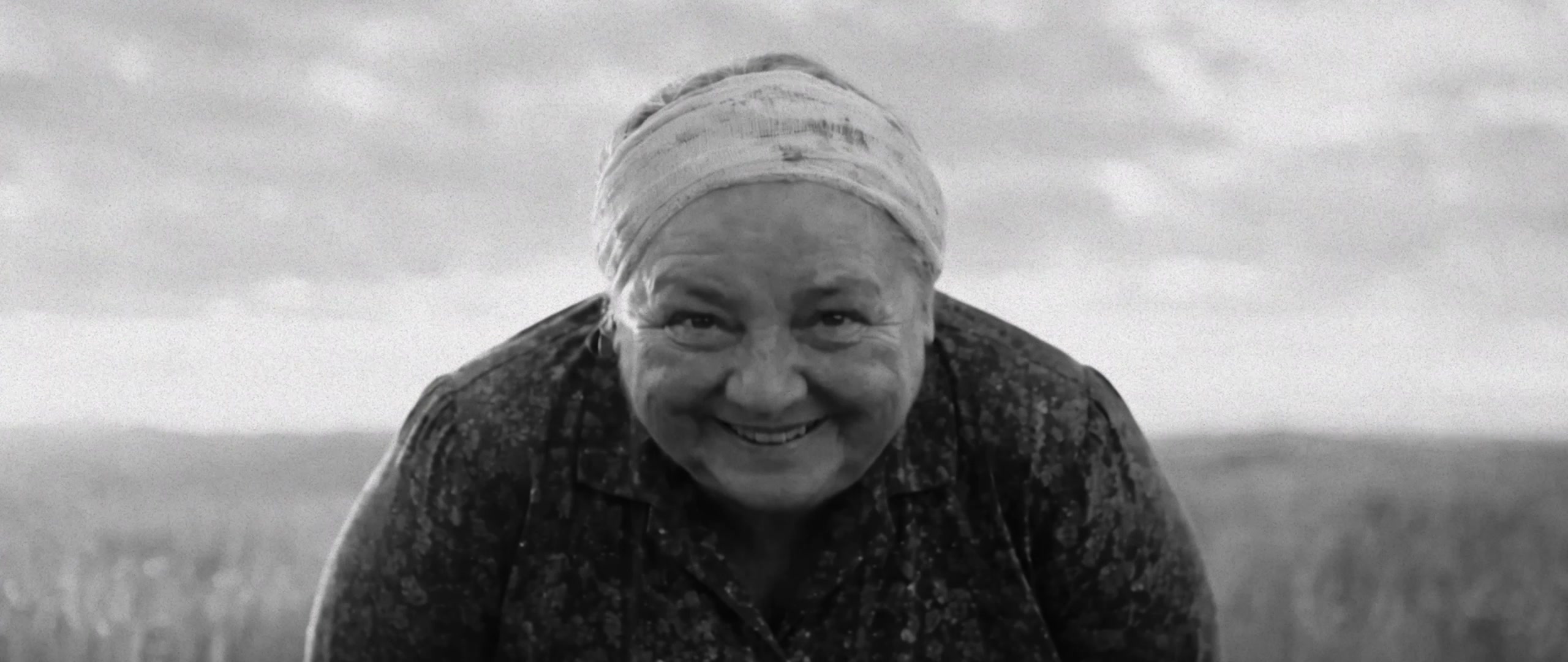
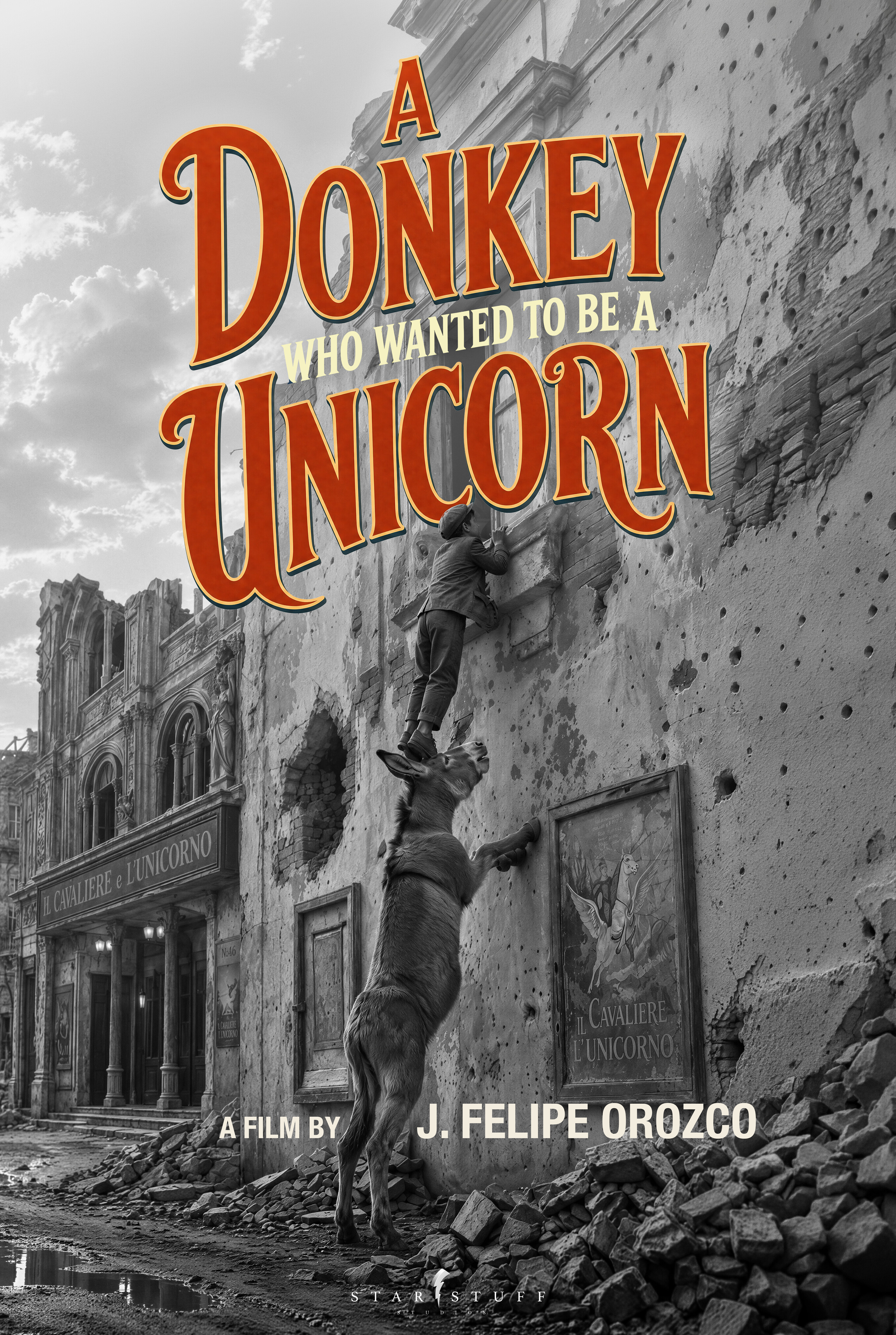
Stills
Courtesy of Star Stuff Studios.
Covering the film? Use the stills, clips and poster, with that credit. The music is Freddy Sheinfeld’s, so ask us before you use it.
Clips
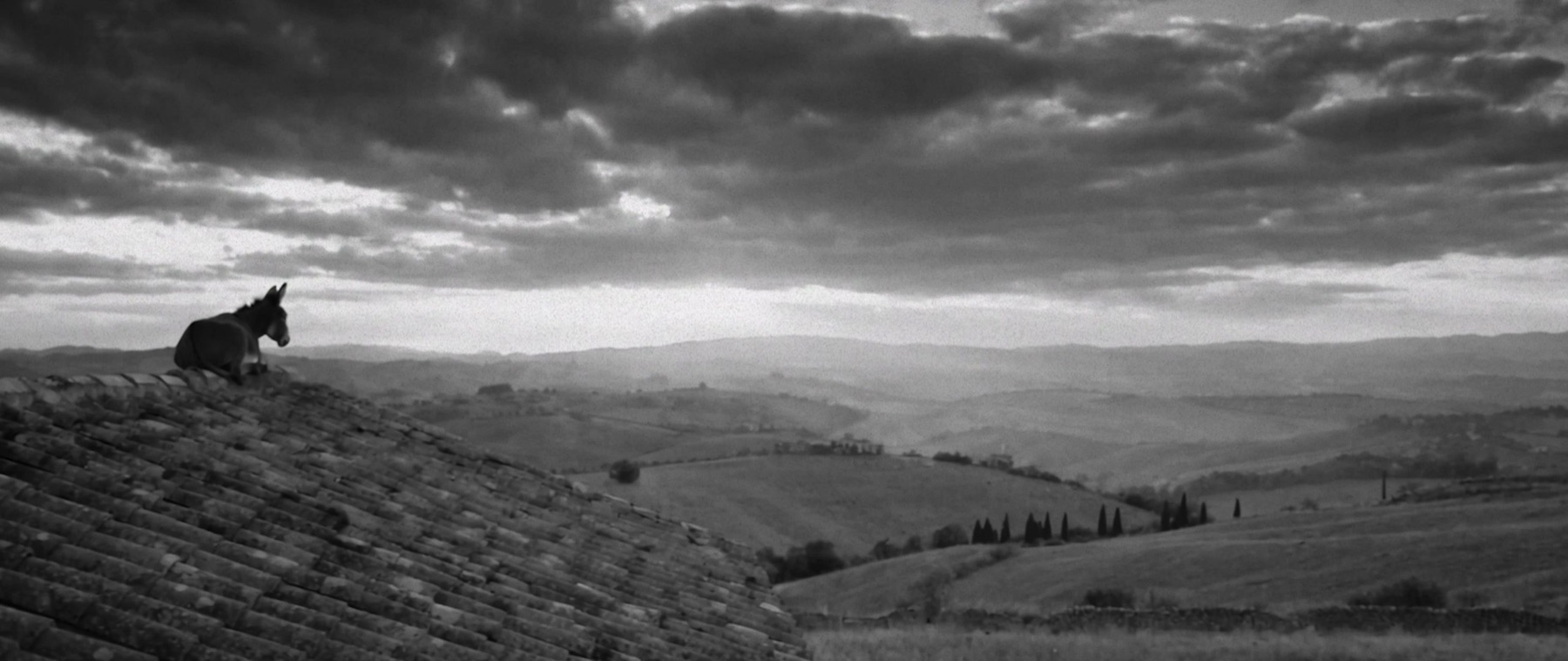
Download all clips (ZIP · 96 MB)Poster
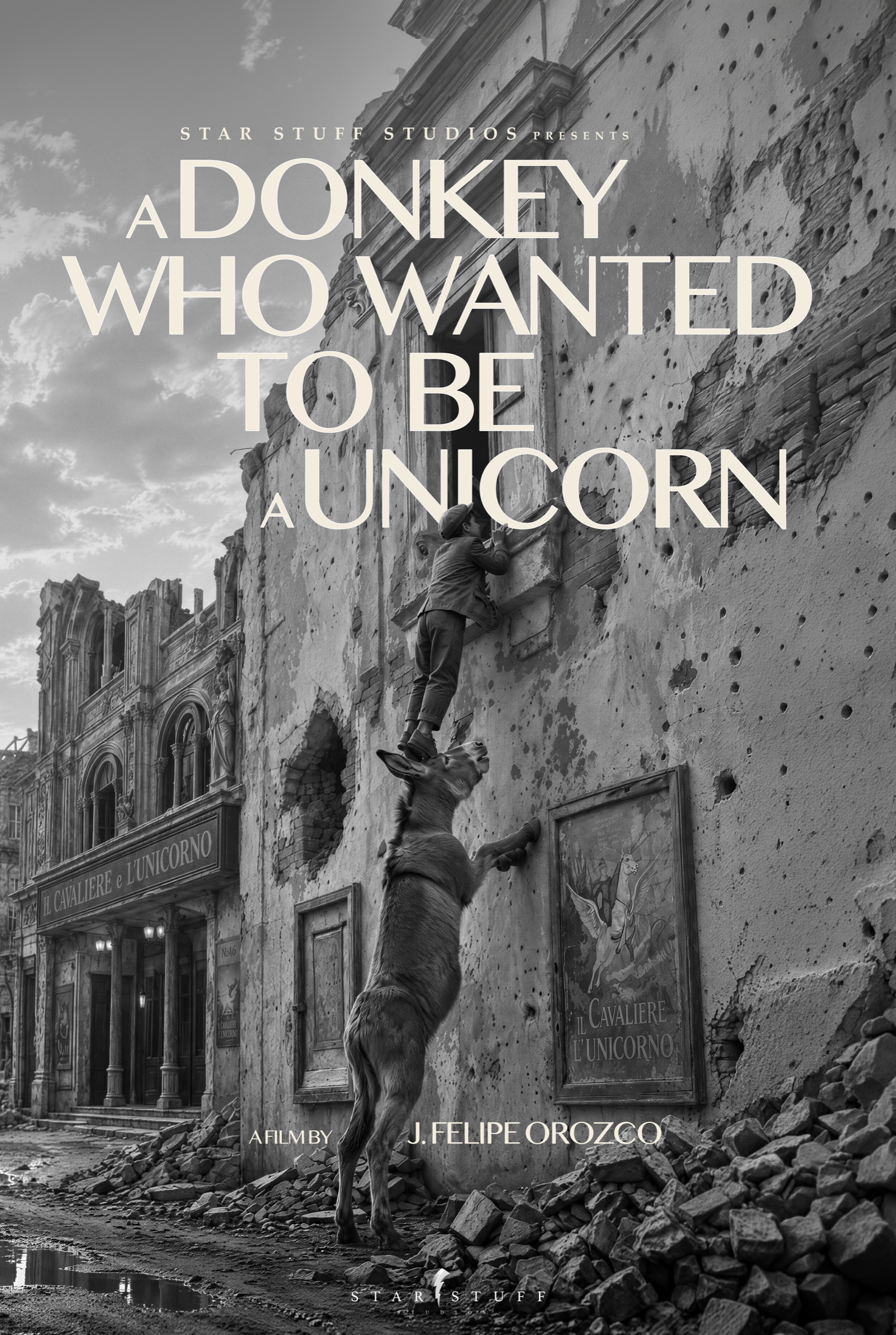 Download poster (JPG · 3000 px · 3.8 MB)
Facts & credits
Credits
| Title | A Donkey Who Wanted to Be a Unicorn |
| Running time | 16 min 20 s |
| Format | Black and white · 2.39:1 |
| Language | English, with Italian accents |
| Setting | Rural central Italy, 1948 |
| Premiere | Tuesday 8 December 2026, 9:00 a.m. ET · free on YouTube · clips on Instagram, X, TikTok and Facebook |
| Made with | Seedance 2.5 and Nano Banana Pro, finished with traditional post-production tools. Character voices are synthetic. |
| Credits | Story, direction, design, editing and sound by J. Felipe Orozco. |
| Music | Freddy Sheinfeld |
| Produced by | Star Stuff Studios in association with The Blue Lab |
No real person’s likeness or voice appears in this film. Every character is invented.
Some dreams are too crazy to fail.
To all of us, dreamers
Press contact. press@starstufffilms.com · starstufffilms.com